How Much Does RV Generator Diagnostic and Repair Service Cost in Salt Lake City?
Most RV owners along the Wasatch Front should expect a diagnostic visit to run between $100 and $180, with common repairs landing anywhere from $200 for a tune-up to roughly $1,000 for a carburetor replacement. That spread is wide because a generator can fail in a dozen different ways, and the diagnostic step exists precisely to tell you which one you are facing. Understanding how RV generator repair services in Salt Lake City structure their pricing helps you read a quote intelligently rather than simply hoping the number is fair.
The good news is that generator repair pricing is more predictable than most owners expect. Nearly every invoice breaks into the same three components, and once you know what each one covers, comparing two quotes becomes straightforward. This guide walks through each cost element, gives realistic ranges for the repairs owners actually encounter, and explains which failures are worth fixing versus replacing.
How Much Does It Cost to Diagnose an RV Generator?
A professional diagnostic assessment typically costs between $100 and $180 in the Salt Lake metro area. That figure usually covers the technician's travel to your location plus the first hour of hands-on testing, which is enough time to isolate most faults. Many shops apply the diagnostic fee toward the final repair bill if you approve the work, so it is worth asking about that policy upfront.
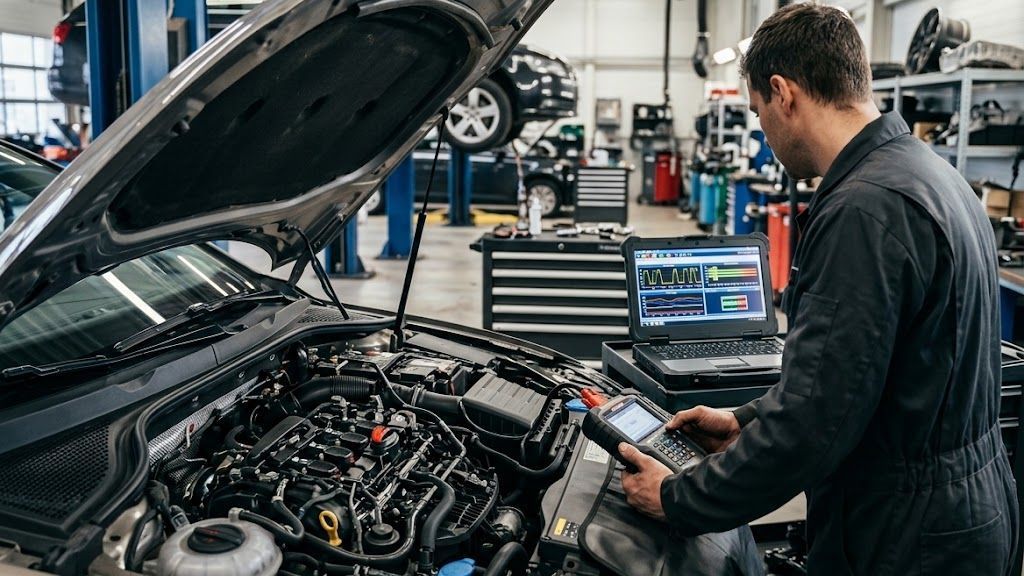
What you receive for that fee is genuine mechanical investigation rather than a guess. A thorough check covers spark generation, fuel pump pressure, cylinder compression, control board fault codes, and alternating current output stability under load. Skipping diagnosis and simply replacing the part you suspect is the single most expensive mistake owners make.
Breaking Down the Three Parts of Any Repair Bill
Every generator invoice combines a trip charge, an hourly labor rate, and the cost of parts. Knowing the going rate for each lets you evaluate a quote in seconds instead of wondering whether you are being overcharged.
| Cost Component | Typical Range in Utah | What It Actually Covers |
|---|---|---|
| Service call or trip fee | $90 to $175 | Dispatch, fuel, and travel within the standard service radius |
| Hourly labor rate | $140 to $185 per hour | Hands-on diagnostic and repair time, usually a one-hour minimum |
| Mileage beyond the base zone | $1.50 to $2.50 per mile | Round-trip distance outside the provider service area |
| After-hours or emergency premium | $75 to $150 extra | Weekend, holiday, and urgent campground dispatch |
| Parts | Varies widely | Components at cost or with a standard markup |
The prevailing mobile genset repair labor rate Utah providers charge sits around $165 per hour, with published rates across the region ranging from roughly $140 to $185. Shop-based labor sometimes runs slightly lower per hour, though that saving disappears quickly once you factor in the cost of towing an immobile motorhome.
What You Pay for RV Generator Repair Services in Salt Lake City
Choosing local RV generator repair services in Salt Lake City rather than a distant dealership keeps your trip charge low and your turnaround short, which matters more than the hourly rate on most jobs. Providers in this region typically publish a flat service fee covering a defined radius around the Salt Lake and Park City corridor, so a technician reaching you in Draper or Sandy costs the same as one reaching you downtown. Travel beyond that radius adds a per-mile charge that is worth confirming before scheduling.
Elevation also shapes what local technicians look for, and that expertise has real value. A shop familiar with the Wasatch Front knows to check altitude mixture settings and vapor lock symptoms that a sea-level technician might never consider. Paying for that regional knowledge often prevents a second service call.
Common Repairs and What They Realistically Cost
The following ranges reflect what owners actually pay for the repairs that come up most often. Prices assume a mobile technician working on a typical gasoline RV generator.
| Repair | Typical Total Cost | Notes on Pricing |
|---|---|---|
| Annual maintenance service | $200 to $400 | Oil, filters, spark plugs, and a valve inspection |
| Spark plug and filter tune-up | $150 to $300 | Often resolves rough running and hard starting |
| Fuel pump replacement | $300 to $600 | Part cost varies sharply between models |
| Carburetor replacement | $600 to $1,000 | Sealed units only, so no rebuild option exists |
| Voltage regulator or board | $300 to $700 | Requires load testing to confirm before replacing |
| Starter motor replacement | $350 to $650 | Access difficulty drives the labor portion |
| Full generator replacement | $4,000 to $9,000 | Unit, installation, and wiring integration |
The RV generator carburetor replacement cost surprises many owners, and there is a specific regulatory reason behind it. Emissions rules require these carburetors to be factory sealed, which means rebuild kits are not an approved option and the entire assembly must be replaced. Genuine Cummins units list around $400 while aftermarket alternatives cost far less, and technicians at The Wizard Group will explain the reliability tradeoff between the two before you commit to either.
What Makes One Quote Higher Than Another
Two shops can quote the same repair very differently, and the gap usually comes down to identifiable factors rather than arbitrary pricing. Understanding these variables helps you ask better questions when comparing estimates.
Access Difficulty and Mounting Position
Some generators sit in open, easily reached compartments while others are buried behind welded subframes or recessed belly bays. A carburetor that takes forty minutes to reach on one coach may take two hours on another. Labor estimates should reflect your specific chassis rather than a generic figure.
Original Equipment Versus Aftermarket Parts
Genuine manufacturer components typically cost two to five times more than aftermarket equivalents. On critical items like control boards and carburetors, the original part is usually worth the premium for longevity. On simpler components such as filters and plugs, quality aftermarket parts perform identically.
Diesel Versus Gasoline Units
Diesel generators generally cost more to service because parts are pricier and fuel systems are more complex. They also last far longer, often reaching ten thousand hours against roughly two thousand for a gasoline unit. Higher service costs are offset by a much longer usable life.
If you have received a quote that seems out of line with the ranges above, a second opinion is inexpensive relative to the repair itself. You can contact us to have an independent diagnostic performed before authorizing major component replacement.
When Repair Stops Making Financial Sense
There comes a point where continued repair costs more than the equipment is worth, and recognizing that threshold protects your budget. A practical guideline is to weigh the repair against both the unit's remaining life and the cost of replacement.
- Operating hours above 2,000 on a gasoline unit mean the engine is nearing the end of its typical service life, so major repairs may not pay off.
- Repair estimates exceeding half the replacement cost generally favor putting that money toward a new unit instead.
- Combined engine and stator failure is the clearest replacement signal, since you are effectively rebuilding two expensive systems at once.
- Repeated failures within a single season often indicate underlying wear that individual part replacement will not resolve.
- Discontinued parts availability on older models can make future repairs impractical regardless of current condition.
On the other hand, a well-maintained unit with moderate hours is almost always worth repairing. A $700 carburetor job on a generator with 900 hours remaining is a sound investment compared to a $6,000 replacement. The Wizard Group provides an honest assessment of remaining life alongside any repair estimate so the decision rests on real numbers.
Check Your Coverage Before You Pay Out of Pocket
Before authorizing any significant repair, confirm whether the work might already be covered. Generators carry their own manufacturer warranty that is separate from the coach warranty, and it often runs on a different timeline. Extended service contracts frequently include the generator as a listed component, though many require pre-authorization before work begins.
Damage from a specific event may also fall under your insurance policy rather than your repair budget. Rodent damage to wiring, water intrusion, and electrical surge failures are commonly covered where ordinary wear is not. A five-minute phone call to verify coverage can shift a $900 repair entirely off your own ledger.
How to Keep Your Repair Costs Down
The least expensive repair is the one you never need, and generator maintenance offers an unusually strong return on effort. A few consistent habits prevent the majority of expensive failures.
- Exercise the unit under load every month for about two hours at half capacity, which prevents fuel varnish and drives moisture out of the windings.
- Use fuel stabilizer before any storage period, since degraded gasoline is the leading cause of carburetor failure in recreational vehicles.
- Change the oil on schedule, typically every 100 to 150 operating hours, and more often in dusty or high-heat conditions.
- Address small symptoms immediately, because rough running and hard starting are inexpensive to fix and expensive to ignore.
- Bundle services into one visit so a single trip charge covers maintenance, inspection, and any minor repairs together.
That last point carries more weight than owners expect. Since the service call fee applies per visit rather than per task, combining an oil change with a tune-up and an inspection can save well over a hundred dollars compared to scheduling them separately.
Frequently Asked Questions
Is the diagnostic fee applied toward the repair cost?
Many providers credit the diagnostic fee toward the final bill when you approve the recommended work, though policies differ between shops. It is worth asking directly when you schedule, since the answer can meaningfully change the total. Providers who do not credit it usually charge a lower diagnostic rate to begin with.
Why is RV generator repair more expensive than car repair?
Generator work often requires removing panels, exhaust components, or mounting hardware just to reach the part being serviced. Parts volumes are also far lower than automotive components, which raises unit prices. Mobile service adds travel time that a stationary shop absorbs differently.
Can I replace an RV generator carburetor myself?
Mechanically inclined owners can perform the work on accessible units, and the part itself is available to consumers. Be aware that these carburetors are factory sealed under emissions rules, so adjustment options are limited and rebuild kits are not approved. Improper installation can cause fuel leaks in an enclosed compartment, which is a genuine fire risk.
How much does a full RV generator replacement cost?
A complete replacement typically runs between $4,000 and $9,000 depending on wattage output, fuel type, and installation complexity. Diesel units occupy the upper end of that range while smaller gasoline models sit at the lower end. The figure includes the unit, mounting, wiring integration, and exhaust connection.
Do mobile technicians charge more than repair shops?
Hourly rates are broadly comparable, and mobile service adds a trip charge that a shop does not. That fee is almost always smaller than the cost of towing a motorhome, and mobile service eliminates weeks of waiting in a dealership queue. For most repairs the total cost favors mobile service.
Conclusion
Generator pricing follows a consistent structure once you know what to look for: a trip charge, an hourly rate near $165, and parts that vary by component. Diagnosis runs $100 to $180, routine maintenance $200 to $400, and major component work $600 to $1,000. Comparing quotes for RV generator repair services in Salt Lake City becomes far simpler when you can see which line item is driving the difference.
The most reliable way to control what you spend is to diagnose accurately before replacing anything and to maintain the unit consistently between trips. Guessing at parts is what turns a manageable repair into an expensive one. To get a clear diagnosis and a transparent estimate before any work begins, schedule an appointment with The Wizard Group and know exactly what you are paying for.