What Do Cummins Onan Blinking Light Error Codes Mean on an RV Generator?
Your generator is talking to you, and the blinking light is the language it uses. When a Cummins Onan unit shuts down, the indicator lamp on the start switch flashes a two-digit number that identifies exactly why the engine stopped. Count the first group of blinks, note the pause, then count the second group, and you have the fault number. Owners who learn to read these patterns can describe the problem precisely when they call for RV generator repair services in Salt Lake City, which often turns a guessing game into a single targeted fix.
This matters because most generator complaints arrive at a shop as vague descriptions. A technician told the unit to quit after ten minutes and has a dozen possibilities to work through. A technician told the unit displayed a three blink pause six blink pattern already knows the engine stopped without a command from the controller, and can begin testing the fuel and speed sensing circuits immediately.
How Do I Read the Blinking Light Codes on My Onan Generator?
Watch the lamp on the start and stop switch after a shutdown and count the flashes in two separate groups. The first group gives you the tens digit, a short pause follows, and the second group gives you the ones digit. Three flashes, a pause, then six flashes means fault code 36, while five flashes, a pause, then one flash means code 51.
The pattern repeats continuously until the fault is cleared or the battery power is disconnected. Give yourself two or three full cycles before deciding what you saw, because the pause between digits is short and easy to miss on the first pass. Writing the number down immediately is worth the effort, since the code may clear before you reach a phone.
Reading Secondary Codes
Some units store additional detail behind a service code. When the lamp shows code 3, which indicates a general service check, pressing and holding the primer or start button prompts the controller to blink out a more specific secondary number. This second code is the one that actually identifies the failed component.
Cummins Onan Fault Code Chart
The table below covers the codes RV owners encounter most often. Codes vary somewhat between model families, so your unit's manual remains the final authority, but these meanings hold across the common gasoline and diesel RV lines.
| Code | Blink Pattern | Meaning | Common Cause |
|---|---|---|---|
| 2 | 2 flashes | Low oil pressure | Low oil level, or rig parked on a steep grade |
| 3 | 3 flashes | Service check | Hold the button to retrieve the secondary code |
| 4 | 4 flashes | Over crank | Engine cranked but never started; fuel or spark |
| 12 | 1 pause 2 | Over voltage | Regulator or control board fault |
| 13 | 1 pause 3 | Under voltage | Excessive load, or weak field output |
| 14 | 1 pause 4 | Over frequency | Engine running too fast; governor adjustment |
| 15 | 1 pause 5 | Under frequency | Engine running too slow or bogging under load |
| 31 | 3 pause 1 | Overspeed | Governor or control fault; stop use and get service |
| 36 | 3 pause 6 | Engine stopped without command | Fuel starvation, vapor lock, or lost speed signal |
| 38 | 3 pause 8 | Over current | Too many appliances drawing at once |
| 51 | 5 pause 1 | Processor fault | Control board failure; requires a technician |
Notice that several of these codes describe a symptom rather than a broken part. Over current simply means the electrical draw exceeded capacity, which may mean nothing is wrong with the generator at all.
When Codes Call for RV Generator Repair Services in Salt Lake City
Certain codes are worth a phone call rather than a driveway repair attempt, and knowing which ones saves both money and risk. Professional RV generator repair services in Salt Lake City become the right choice when a code points to the control board, the governor, or the speed sensing circuit, because those systems require diagnostic equipment and specification data that owners rarely have on hand. Codes 31 and 51 in particular should stop you from running the unit until a technician has inspected it.
Owner-serviceable codes are a different matter entirely. Code 2 often resolves with a quarter of oil and a level parking spot, and code 38 usually just means switching off the microwave before starting the air conditioner. Attempting the harder ones without a service manual tends to turn a repairable fault into a replaced component.
Understanding Code 36 and Why It Appears So Often
Code 36 is the most frequently reported fault among RV owners, and it means the engine stopped running without being told to stop. The controller noticed the engine quit but received no shutdown command, so it logs the event without naming a cause. This is why the code frustrates so many owners: it reports what happened rather than why.
Fuel Delivery Interruptions
The majority of these events trace back to fuel starvation. Dirt in the carburetor jets, a clogged fuel filter, a pinched supply line, or vapor lock in hot weather will all stop the engine abruptly. Motorhome fuel pickup tubes also sit above the tank bottom, so a gauge reading a quarter tank may leave the generator with nothing to draw.
Lost Speed Signal from the Magnetic Pickup
A magnetic speed sensor near the flywheel tells the controller how fast the engine is turning. When metallic debris collects on the sensor tip or the air gap opens too wide, the controller loses the signal and concludes the engine has stopped. Cleaning the sensor and setting the gap to roughly 0.010 to 0.015 inches restores the signal, and this step is a standard part of any thorough Onan generator fault code 36 fix.
Overheating and Poor Electrical Ground
Restricted airflow through the generator compartment raises temperatures until the engine loses power and stalls. A corroded or loose ground strap produces similar behavior by interrupting the controller's reference voltage. Technicians at The Wizard Group check compartment airflow and ground integrity before condemning fuel components, since these two causes are commonly overlooked and inexpensive to correct.
What You Can Check Before Calling a Technician
Working through a short list of basics resolves a meaningful share of faults and gives a technician useful information even when it does not. Each of these checks takes only a few minutes and requires no special tools.
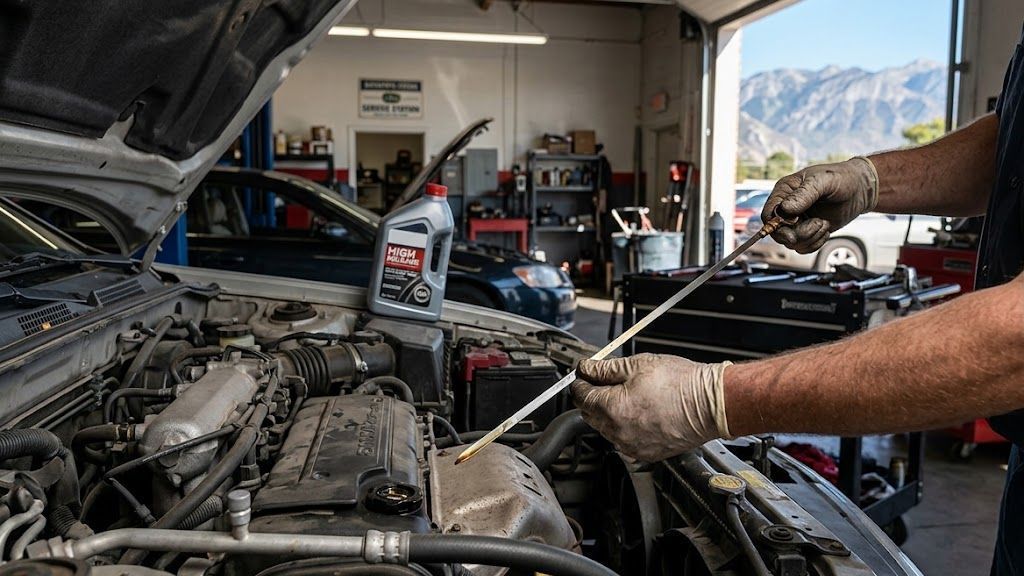
- Verify the oil level on level ground, since these engines hold very little oil and a sloped campsite alone can trigger the low oil sensor.
- Confirm you have more than a quarter tank of fuel, because the generator pickup tube is deliberately set high so it cannot strand your chassis engine.
- Reduce the electrical load by switching off the air conditioner, microwave, and water heater, then restart to see whether the fault returns.
- Inspect the compartment for blocked airflow, including stored gear, rodent nests, and accumulated road debris across the intake louvers.
- Check the battery voltage and terminal condition, as weak cranking power produces faults that mimic fuel and ignition problems.
- Attempt a controller reset by holding the start switch in the stop position for roughly thirty seconds, then run the unit and see whether the code returns.
A code that returns immediately after a reset is reporting a live fault rather than a stale memory, which is useful information in itself. If your reset clears the lamp but the same number reappears within minutes, you can contact us to arrange on-site diagnostics rather than continuing to cycle the unit.
Why Professional Diagnosis Matters for Recurring Codes
A code that keeps coming back after basic checks is pointing at something a driveway inspection cannot reach. Control boards, voltage regulators, stator windings, and governor assemblies all require load testing and specification comparison to evaluate properly. Guessing at these components is expensive, because most are not returnable once installed.
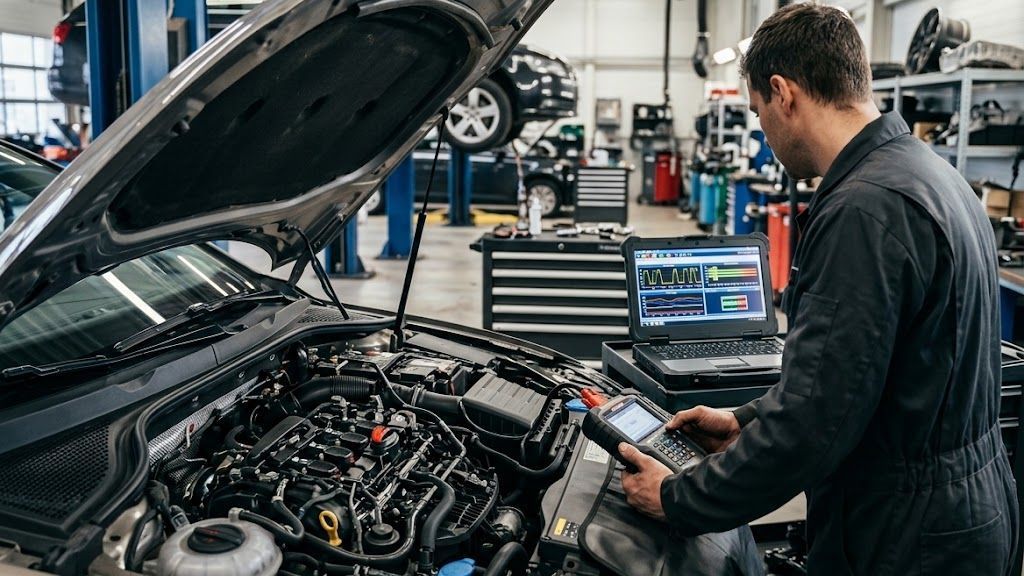
A proper Cummins RV generator blinking light diagnostic guide is only the starting point for this work. The code narrows the search, but confirming which component in that circuit actually failed still requires meters, load banks, and manufacturer specifications. This is the difference between knowing the neighborhood and knowing the address.
- Control board faults produce erratic and inconsistent codes that change between start attempts.
- Voltage regulator failures show as over voltage or under voltage codes while the engine itself runs perfectly.
- Governor problems appear as frequency codes and are dangerous to adjust without a tachometer.
- Stator or rotor damage may allow the engine to run normally while producing no usable output at the outlets.
Frequently Asked Questions
How do I reset an Onan generator fault code?
Hold the start switch in the stop position for roughly thirty seconds, then release it and attempt a normal start. Run the unit for about fifteen minutes to confirm the code does not return. A reset clears the stored code but does nothing to repair the underlying condition, so a fault that reappears needs actual diagnosis.
What does code 36 mean on an Onan generator?
Code 36 means the engine stopped running without receiving a shutdown command from the controller. The most common causes are fuel starvation from dirty carburetor jets or a clogged filter, vapor lock in hot weather, a lost signal from the magnetic speed sensor, or overheating from restricted compartment airflow.
Can I still run my generator if it shows a fault code?
It depends entirely on which code appears. Load-related codes such as over current are usually safe to clear by reducing electrical demand. Codes indicating overspeed, low oil pressure, or a processor fault should stop you from running the unit, because continuing risks serious internal engine damage.
Why does my generator show a code but still start normally?
The controller stores the last fault in memory, so a code may persist from a previous shutdown even after the condition has passed. If the unit starts and runs correctly under load, the stored code is likely historical. Clear it with a reset and watch whether it returns during normal operation.
Do all Onan generators use the same fault codes?
The numbering is broadly consistent across Cummins Onan RV models, but some codes differ between gasoline, diesel, and marine model families. Your unit's operator manual lists the exact codes for your specific model and remains the definitive reference when a number does not match the common chart.
Conclusion
That flashing lamp is the most useful diagnostic tool your generator has, and reading it costs nothing but a moment of attention. Count the first group, note the pause, count the second group, and write the number down before it clears. Whether you resolve the fault yourself or hand it to a technician, arriving with the code turns a vague complaint into a specific starting point, and it is the single most valuable thing you can bring to RV generator repair services in Salt Lake City.
Some codes point to a quart of oil or one appliance too many, while others point to a control board that needs professional attention. Knowing which is which protects your equipment and your travel plans across the Wasatch Front and beyond. To have a recurring code diagnosed properly rather than guessed at, schedule an appointment with The Wizard Group and have certified technicians trace the fault to its actual source.