How Auto Repair Services in Bountiful, UT Diagnose and Fix Variable Valve Timing (VVT) Solenoid Issues
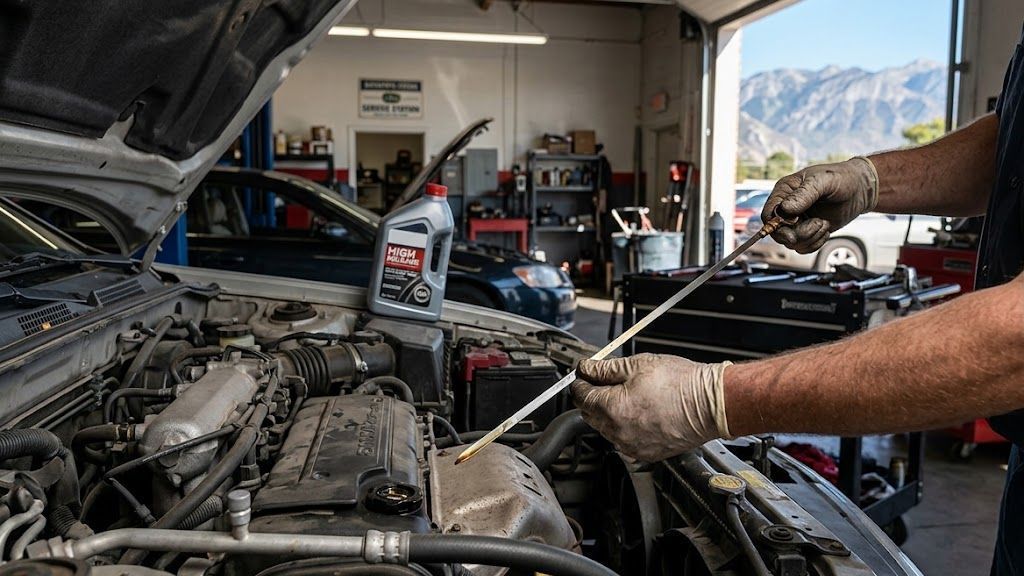
Before anyone replaces a part on a VVT complaint, the first thing to check is the engine oil. Low or dirty oil is the single most common cause of variable valve timing problems, and a meaningful share of vehicles arriving with a P0011 or P0014 code need an oil and filter change rather than a new component. The symptoms are consistent enough to recognize: a check engine light, a rough or unstable idle, sluggish acceleration when you ask for quick power, a drop in fuel economy, and sometimes a ticking or rattling from the front of the engine. Shops offering methodical auto repair services Bountiful, UT drivers rely on will confirm oil condition and read live data before quoting a solenoid, because guessing here is expensive.
The reason oil matters so much comes down to how the system works. Variable valve timing is a hydraulic system that uses engine oil as its working fluid, so oil quality is not a side issue. It is the mechanism.
What Are the Symptoms of a Bad VVT Solenoid?
The solenoid, also called an engine oil control valve, is an electrically operated gate that meters pressurized oil to the camshaft phasers. When it sticks, clogs, or fails electrically, the computer commands a timing change that never happens, and the mismatch between commanded and actual camshaft position sets a code.
What You Notice From the Driver's Seat
- Check engine light, almost always the first sign
- Rough idle or vibration at a stop, since timing is wrong at low RPM
- Delayed or weak acceleration, because the engine cannot advance timing when you ask for power
- Reduced fuel economy, often the symptom people notice last
- Ticking or rattling from the front of the engine, particularly on startup
- Occasional stalling or hard starting in more advanced cases
The Codes That Point Here
VVT-related codes are generic across manufacturers, which makes them easy to look up but easy to misread. The numbering follows a pattern worth understanding, since the last digit tells you which camshaft and which bank of the engine is involved.
| Code | What It Means | Common Causes |
|---|---|---|
| P0010 | Camshaft A actuator circuit, Bank 1 | Electrical fault in solenoid or wiring |
| P0011 | Camshaft A timing over-advanced, Bank 1 | Stuck solenoid, dirty oil, worn phaser |
| P0014 | Camshaft B timing over-advanced, Bank 1 | Same causes, exhaust camshaft |
| P0021 | Camshaft A timing over-advanced, Bank 2 | Same causes, opposite cylinder bank |
| P0016 | Camshaft and crankshaft correlation | Often timing chain stretch, more serious |
That last one deserves attention. A correlation code frequently points to a stretched timing chain or a failed tensioner rather than a solenoid, and treating it as a simple solenoid job means replacing a part that was working.
Why Engine Oil Is Usually the Root Cause
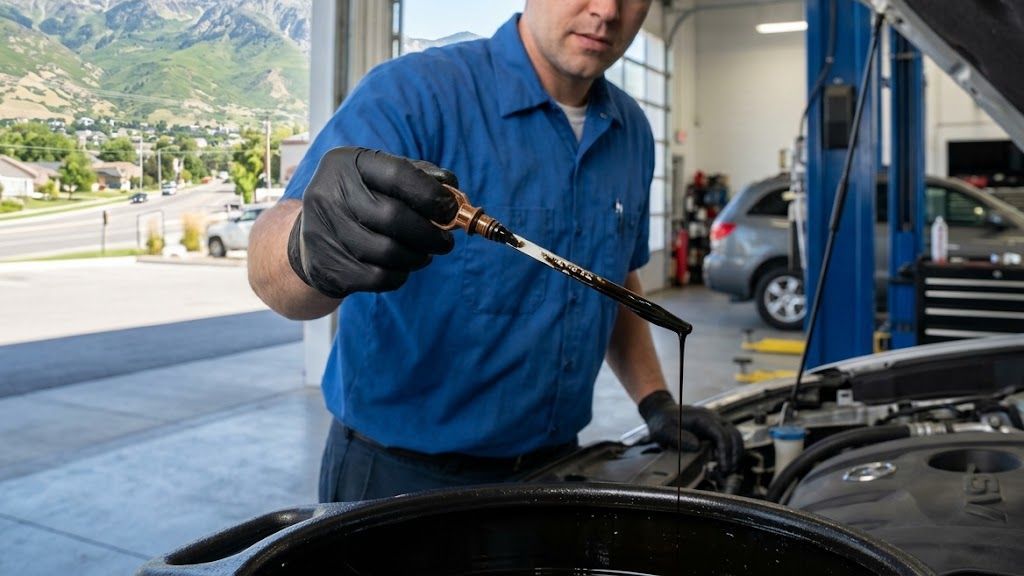
Inside every VVT solenoid is a small screen and a plunger. The screen filters oil before it reaches the phaser, and the plunger slides to open and close the passage. Both are precision components operating in very small clearances, and both are vulnerable to the same thing: oil that has broken down, thickened with sludge, or dropped below the level needed to maintain pressure.
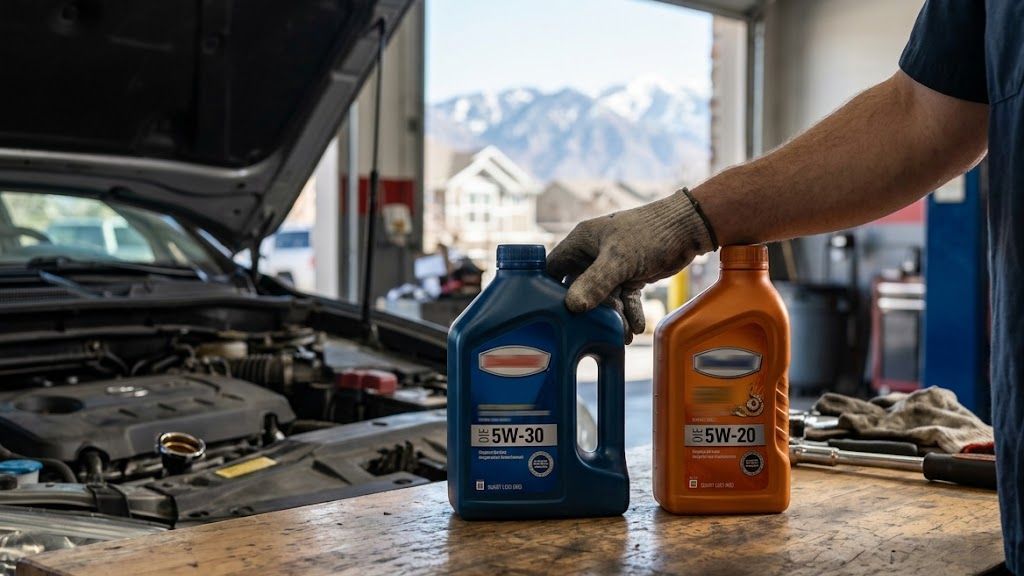
Extended oil change intervals are the usual culprit. Sludge accumulates, the screen clogs, the plunger sticks partway, and oil flow to the phaser becomes inconsistent. Using the wrong oil viscosity causes a related problem, because the system was engineered around a specific grade and oil that is too thick or too thin changes how quickly the phaser responds.
Temperature swings compound this locally. A vehicle sitting outside overnight at fifteen degrees has notably thicker oil at startup than the same vehicle in a mild climate, and summer canyon climbs push oil temperatures the other direction. The technicians at
The Wizard Group check oil level and condition on every VVT complaint before touching a scanner, because catching a low or overdue oil situation early sometimes resolves the code without any part at all.
When Cleaning Works and When It Does Not
A solenoid clogged with deposits can occasionally be removed, cleaned, and reinstalled successfully. That works when the screen is dirty but the plunger and the electrical coil are still sound. If the coil has failed electrically or the plunger is mechanically seized, cleaning accomplishes nothing and the part needs replacement. A technician can distinguish between those situations with a resistance test and a bench check.
How Do Technicians Diagnose a VVT Fault Before Replacing Parts?
A proper diagnosis moves through several stages rather than stopping at the code. Reading a code tells you which circuit reported a problem, not which component caused it, and VVT faults have several plausible sources.
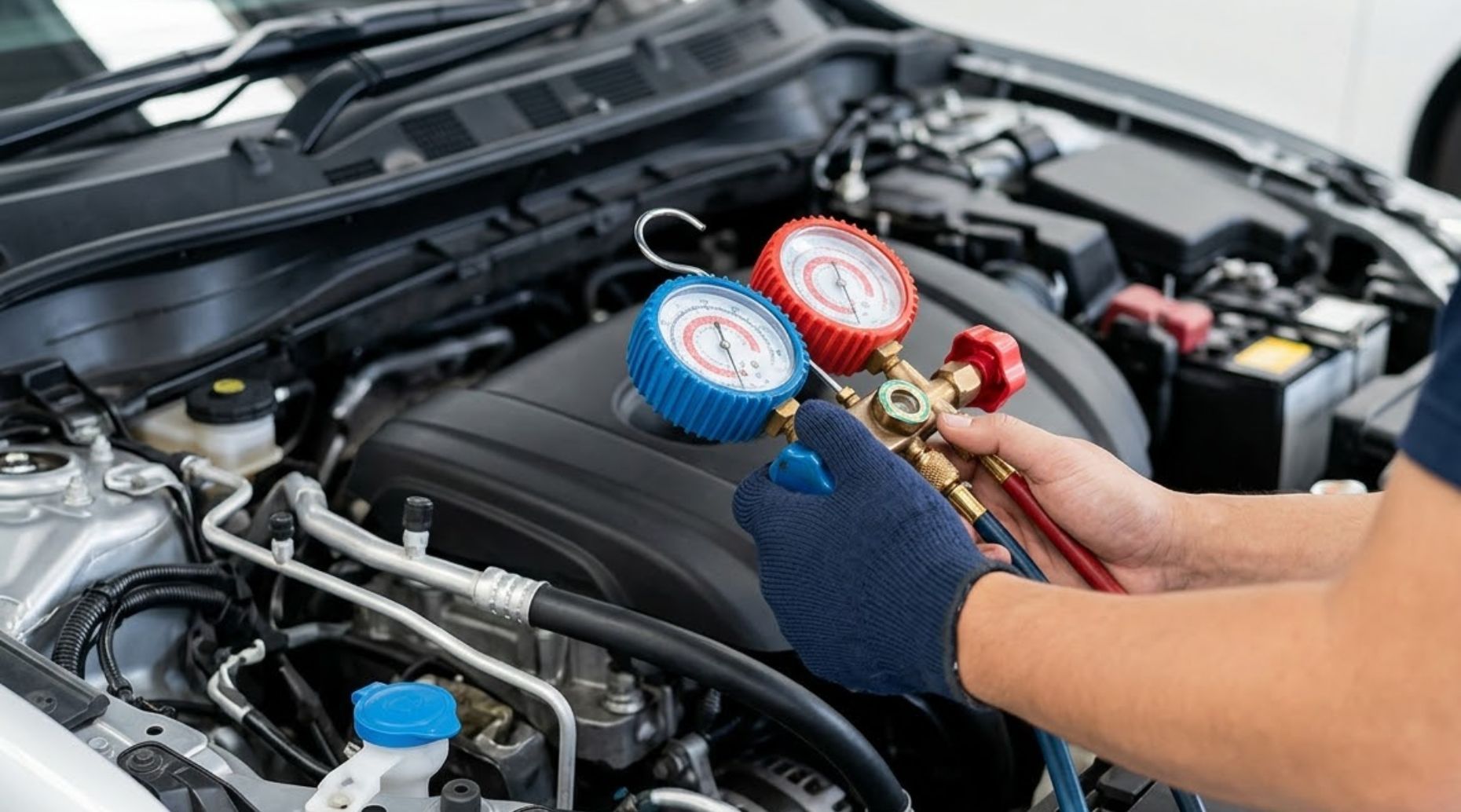
The sequence usually looks like this. First, retrieve the codes and the freeze frame data, which captures engine conditions at the moment the fault set. Second, check oil level, oil condition, and service history. Third, watch live data while the engine runs, comparing desired camshaft position against actual camshaft position to see whether the system responds to commands at all. Fourth, inspect the solenoid connector and wiring for oil contamination, corrosion, or chafing.
Two Tests That Settle Most Cases
On engines with more than one identical solenoid, swapping the suspect unit with one from the other bank is a decisive test. If the code follows the part to the other bank, the solenoid is confirmed faulty. If the code stays on the original bank, the problem lies in the phaser, the wiring, or the oil supply to that side.
A resistance check across the solenoid terminals is the other quick confirmation. Comparing the reading against the manufacturer's specification identifies an open or shorted coil immediately. Between those two tests, oil inspection, and live data, most VVT complaints resolve without any guesswork.
What Does VVT Solenoid Replacement Cost at Auto Repair Services Bountiful, UT?
Most complete solenoid jobs land between $250 and $900 depending on the vehicle, with mainstream sedans and crossovers generally sitting in the lower half of that range. Shops providing transparent auto repair services Bountiful, UT vehicle owners can evaluate should break the estimate into diagnosis, parts, and labor, and should tell you how many solenoids your engine actually has, since some engines carry four.
| Line Item | Typical Range | Notes |
|---|---|---|
| Diagnostic fee | $50 to $150 | Often credited toward the repair |
| Solenoid part, aftermarket | $30 to $100 each | Quality varies, check the warranty |
| Solenoid part, OEM | $80 to $200 or more | Higher consistency |
| Labor, accessible solenoid | 30 minutes to 1 hour | Front-of-engine mounting |
| Labor, difficult access | Considerably more | Tight bays, second bank behind accessories |
| Complete job, typical | $250 to $900 | Multiple solenoids raise the total |
Access is the wildcard. On many engines the solenoid sits at the front of the cylinder head and comes out in minutes. On others, particularly the second bank of a transverse V6, the technician has to work around the alternator, belt tensioner, or intake before reaching it. Two identical parts on the same vehicle can carry very different labor charges for that reason.
Solenoid Versus Cam Phaser: Know Which One You Are Buying
This distinction matters enormously to your budget. The solenoid is the valve that meters oil. The cam phaser, sometimes called the actuator, is the mechanical unit at the end of the camshaft that physically rotates it. Phaser replacement commonly runs $800 to $2,500 because it involves timing cover access and considerably more labor.
Symptoms overlap heavily, which is exactly why the diagnostic work pays for itself. A rattle on cold startup that fades after a few seconds is more characteristic of a worn phaser or a loose timing chain than a solenoid, and any shop quoting the cheaper part on those symptoms may be back in your driveway soon.
Is It Safe to Drive With a VVT Code?
Usually yes for short distances, but not indefinitely. The vehicle will typically run with reduced power, a rougher idle, and worse fuel economy, and the computer may limit timing adjustment as a protective measure. Short trips to the shop are reasonable.
The risk lies in what the code might be signaling. If the underlying cause is low oil, continuing to drive means running an engine short on lubrication, which threatens far more than the VVT system. If the cause is a stretched timing chain, ignoring it risks the chain jumping a tooth, which on an interference engine causes serious internal damage. Either scenario makes the same code far more expensive a month later.
Treat a rattle, a knock, or an oil pressure warning alongside a VVT code as a stop-driving situation rather than a scheduling item.
How Do You Prevent VVT Problems?
Nearly all of it comes back to oil discipline. The system was designed around clean oil at the correct viscosity and pressure, and it stays healthy when those three conditions hold.
- Change oil on the manufacturer's schedule, and use the severe service interval given how vehicles work in this area.
- Use the exact viscosity grade the manufacturer specifies, not a heavier oil chosen for the mountains.
- Replace the oil filter every time, since a bypassing filter sends debris straight into the system.
- Check the oil level monthly, because low oil causes VVT faults before it causes anything else you would notice.
- Address oil leaks promptly rather than topping off, since a falling level is the same problem arriving gradually.
- Do not ignore an early check engine light, as VVT codes tend to identify small problems while they are still small.
If a light has come on and you are not sure whether you are looking at an oil service, a solenoid, or something deeper in the timing system,
contact us for a scan and live data check rather than ordering parts based on a code lookup. The diagnosis is inexpensive relative to the spread between the possible repairs.
Frequently Asked Questions
Can dirty oil really cause a VVT code by itself?
Yes, and it is the most common cause. The solenoid contains a fine screen and a sliding plunger that both depend on clean oil at proper pressure. Sludge clogs the screen, restricts flow, and prevents the phaser from moving as commanded, which sets the code. In a fair number of cases an oil and filter change with the correct grade clears the fault entirely.
Will a VVT solenoid problem damage my engine?
The solenoid itself is unlikely to cause direct damage, but the conditions that caused it can. Chronically low oil or heavily contaminated oil threatens bearings, the timing chain, and the phasers, all of which are far more expensive than a solenoid. The code is worth treating as a warning about oil system health rather than a nuisance light.
Can you clean a VVT solenoid instead of replacing it?
Sometimes. If the screen is clogged but the plunger moves freely and the coil tests within specification, cleaning can restore function. If the coil has failed electrically or the plunger is stuck, cleaning will not help. A technician can determine which situation applies in a few minutes with a meter and a bench test.
Do you need to reprogram anything after replacing a VVT solenoid?
Most vehicles require no programming. The technician clears the stored codes and road tests the vehicle to confirm the fault does not return under the same conditions that set it originally. Some manufacturers call for a relearn procedure, so the correct answer depends on the specific vehicle.
Why did the code come back after replacing the solenoid?
The usual explanations are that the actual fault was the cam phaser, a stretched timing chain, a wiring or connector problem, or an oil pressure issue that the new part cannot overcome. It can also mean the code was never cleared properly or the replacement part was defective. A returning code after a part swap is a signal to go back to live data rather than replace the same component again.
Conclusion
Variable valve timing faults reward diagnosis more than almost any other check engine light, because the possible repairs range from an oil change to a $2,500 phaser job while the symptoms and codes look nearly identical. Checking oil level and condition first is not a shortcut. It is the correct opening move, and it resolves a real share of these complaints outright.
If a VVT code has appeared on your dash, get live data pulled and the oil evaluated before anyone orders a part. Working with auto repair services Bountiful, UT drivers already trust a technician who compares desired against actual camshaft position, tests the solenoid rather than assuming, and tells you plainly whether you are dealing with maintenance, a solenoid, or something further inside the timing system.