When to Call for Mobile RV Generator Repair in Salt Lake City vs. Visiting a Shop
Choosing between on-site repair and bringing your rig into a commercial bay comes down to the nature of the mechanical failure, how mobile your vehicle is, and your travel timeline. For most common power failures, including fuel delivery clogs, dead starter relays, and altitude mixture issues, mobile RV generator repair services in Salt Lake City provide the fastest turnaround because technicians troubleshoot the equipment directly at your home driveway, storage yard, or campsite. Brick-and-mortar repair facilities are generally reserved for complete genset removals, structural chassis welding, or extensive internal engine overhauls that demand heavy overhead hoist systems.
When your onboard auxiliary power unit quits working along the Wasatch Front, disconnecting your entire motorhome or fifth wheel setup is rarely your only choice. Knowing when to request an on-site technician versus scheduling shop bay time saves you substantial money in heavy towing fees, eliminates weeks of dealership yard backlogs, and gets your living quarters back to full climate-controlled comfort quickly.
Is Mobile RV Generator Repair Better Than Going to a Dealership Shop?
Mobile repair is significantly better for routine electrical faults, seasonal maintenance, and fuel delivery problems because it eliminates the logistical headache of transporting an immobile recreational vehicle. Dealership service centers in northern Utah frequently face backlogs spanning four to eight weeks during peak travel seasons, whereas on-site technicians can diagnose and complete targeted repairs within days. Visiting a stationary shop makes sense primarily when a generator requires bench testing out of the chassis or total engine block replacement.
The physical convenience of having a fully equipped service vehicle arrive at your location cannot be overstated for traveling families. You avoid packing up camp, securing loose interior belongings, unhooking complex sewer and water lines, and navigating congested mountain freeways just to have a diagnostic computer plugged in.
Many recreational vehicle owners dread disconnecting their campsite setup because modern slide-out mechanisms and leveling jacks experience mechanical strain during frequent travel transitions. Having a technician come directly to your campsite or RV resort preserves your campsite setup, eliminates the physical stress of towing an immobile rig, and provides immediate answers about power reliability.
Furthermore, observing the diagnostic process in real time provides recreational vehicle owners with direct mechanical insight into their equipment. Technicians working directly on-site can demonstrate proper manual choke operation, show you how to read blinking control board flash codes, and explain exactly why a specific component failed in the local climate.
Understanding Professional RV Generator Repair Services in Salt Lake City
Investing in professional RV generator repair services in Salt Lake City ensures that your sensitive electronic appliances, automatic transfer switches, and battery charging banks remain fully protected from dirty electrical power. Modern motorhome generators, such as Cummins Onan, Generac, and Kohler units, operate with tight microprocessor controls where even a slight fluctuation in engine revolutions per minute can damage delicate inverter circuit boards.
Salt Lake Valley presents unique operational hurdles for small displacement engines, particularly because the local valley elevation sits around 4,200 feet above sea level and quickly climbs past 8,000 feet in nearby canyon recreation areas. When ambient temperatures climb during hot summer afternoons, generators suffer from reduced air density, leading to rich fuel mixtures, carbon buildup on exhaust spark arrestors, and sudden thermal overload shutdowns.
Mobile Generator Repair vs. Traditional Shop Comparison
To determine the most efficient repair path for your specific situation, review how mobile field service compares directly to conventional brick-and-mortar service centers across northern Utah.
| Decision Factor | Mobile RV Generator Repair | Traditional Dealership or Repair Bay |
|---|---|---|
| Average Scheduling Wait Time | 2 to 5 business days for initial dispatch | 3 to 8 weeks during active camping seasons |
| Vehicle Transportation Needs | None; technician travels to your location | Requires driving motorhome or paying commercial tow |
| Turnaround for Minor Faults | Same-day completion in most scenarios | Vehicle held in storage lot for multiple weeks |
| Typical Diagnostic Rate | Flat service call fee plus hourly diagnostic rate | Standard hourly shop rate with minimum bay fees |
| Ideal Scope of Work | Carburetors, fuel pumps, sensors, AVR, tune-ups | Complete block rebuilds, frame extraction, rewinding |
As demonstrated in the comparison, field technicians resolve roughly eighty percent of common recreational vehicle power failures on-site. Traditional shops remain essential when catastrophic internal mechanical failures demand heavy hydraulic cranes to extract a four-hundred-pound generator from a tight underbelly compartment.
When Mobile RV Generator Service Is Your Best Choice
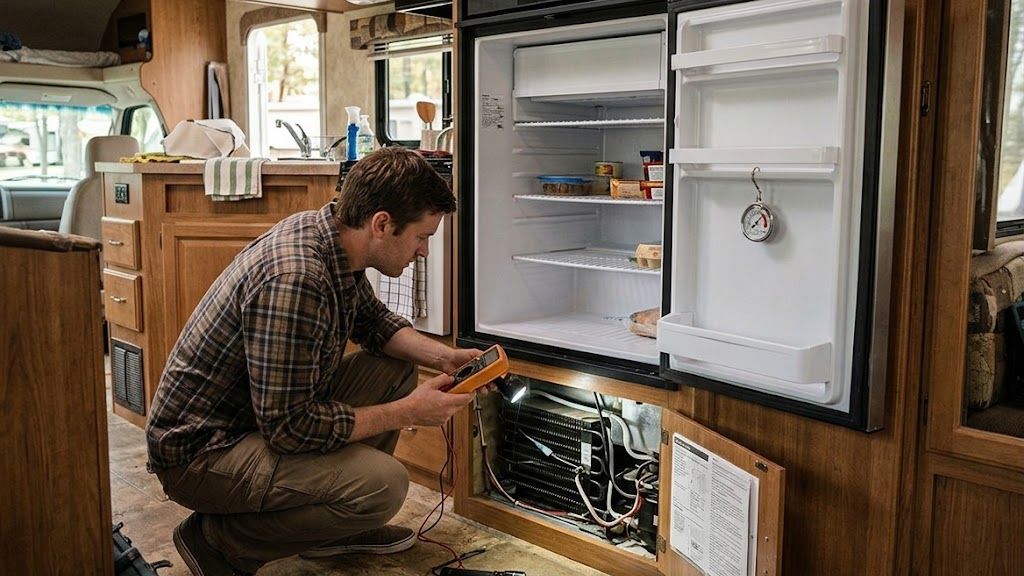
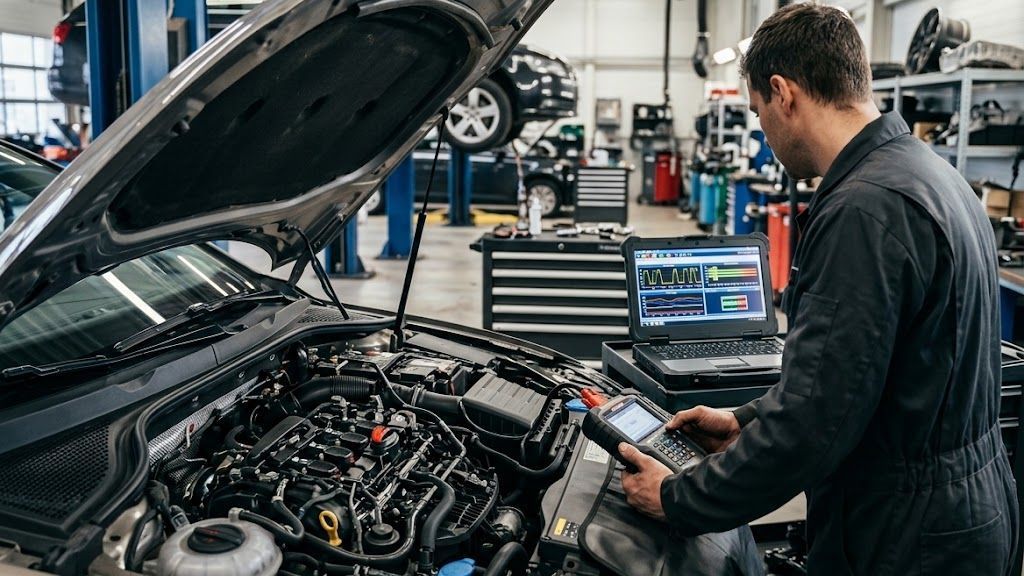
Calling a mobile service provider is the premier solution whenever your auxiliary generator fails while your recreational vehicle is parked at a local campground, residential driveway, or regional storage facility. Technicians carry specialized testing equipment, fuel system cleaning tools, and high-frequency digital multimeters to conduct thorough on-site generator troubleshooting Salt Lake County property owners depend on.
Fuel System Blockages and Stale Gasoline Issues
Modern gasoline containing ethanol degrades rapidly when left sitting in small carburetor float bowls during cold winter storage periods. When gum and varnish clog delicate idle passages and main jets, the engine will crank continuously without catching, or it will surge uncontrollably once a heavy electrical load like an air conditioner engages. Mobile technicians routinely disassemble, clean, or replace these fuel carburetors right in your driveway without requiring a shop visit.
Faulty Starting Controls and 12-Volt Cranking Circuits
If pushing the remote start switch produces only rapid clicking or complete silence, the failure frequently stems from corroded 12-volt battery cables, a blown starter solenoid, or a seized starter bendix drive. A mobile technician can load test your house battery bank, verify control board voltage drop, and swap starter hardware directly on the vehicle.
Voltage Regulation and Stator Inverter Malfunctions
When your generator starts and runs smoothly but your interior 120-volt wall outlets remain completely dead, the issue usually points to a tripped auxiliary circuit breaker, a failed Automatic Voltage Regulator, or dirty slip rings. Choosing dedicated diagnostic technicians ensures they can measure output frequency in Hertz, check AC voltage under load, and replace modular control boards without removing the genset from its steel mounting tray.
When You Must Bring Your RV to a Stationary Repair Shop
While mobile repair handles the majority of auxiliary engine issues, certain severe mechanical breakdowns require the specialized physical infrastructure of a stationary automotive facility. Recognizing these complex situations upfront prevents wasted service calls and gets your equipment into the proper repair queue immediately.
Catastrophic Internal Engine Damage
If an auxiliary engine has thrown a connecting rod, suffered severe piston ring seizure from total oil starvation, or stripped internal camshaft gears, the engine block requires full disassembly. Rebuilding an internal combustion engine block involves precision machining, parts washing vats, and sterile assembly environments that cannot be safely duplicated in an outdoor gravel driveway or roadside pullout.
Complex Chassis Extractions and Structural Welds
Certain Class A diesel pushers and compact Class C motorhomes mount their power generation units behind welded subframes or inside recessed belly bays with minimal clearance. Extracting these heavy three-cylinder diesel or twin-cylinder gas power plants requires hydraulic lift tables, overhead gantry cranes, and professional bay hoists. The certified technicians at The Wizard Group maintain fully equipped repair facilities alongside mobile fleet units, giving Utah travelers seamless access to both on-site field fixes and advanced bay extraction capabilities.
Understanding Repair Pricing and Diagnostic Fees
Transparent pricing helps recreational vehicle owners budget effectively for emergency power restoration. Mobile service pricing generally combines a localized dispatch trip fee with a standard hourly labor rate for hands-on diagnostics and mechanical repair.
| Service Component | Typical Cost Range in Utah | What Is Included in the Service |
|---|---|---|
| Mobile Service Call / Travel Fee | $100 to $175 | Covers vehicle dispatch, fuel, and travel within metro radius |
| Diagnostic Labor Hour | $130 to $195 per hour | Comprehensive 17-point electrical, fuel, and compression testing |
| Carburetor Replacement Package | $250 to $550 | New OEM carburetor, intake gaskets, fuel filter, and labor |
| Routine Annual Maintenance Service | $200 to $400 | Oil, spark plugs, air filter, fuel filter, and valve check |
| Voltage Regulator / AVR Replacement | $300 to $650 | Electronic testing, board installation, and load calibration |
| Major Shop Bay Removal / Overhaul | $1,200 to $3,500+ | Complete crane extraction, internal machining, and reinstallation |
A standard mobile RV mechanic diagnostic fee covers the travel time to your location and an initial diagnostic assessment to isolate root causes accurately. If you are currently stranded with a non-responsive auxiliary power system before an upcoming desert journey, you can contact us directly to schedule prompt mobile troubleshooting or reserve a dedicated service bay.
Critical Maintenance Steps to Prevent Generator Failures
Preventative care is the most reliable way to avoid unexpected electrical shutdowns while dry camping in remote mountain areas. Implementing a disciplined maintenance schedule keeps internal engine parts lubricated, prevents fuel varnish, and protects expensive electronic stator windings from ambient moisture corrosion.
- Exercise the unit monthly under load: Run the engine for at least two hours each month at fifty percent electrical capacity by turning on roof air conditioners or electric space heaters to bake moisture out of the alternator windings.
- Treat fuel systems with quality stabilizer: Add ethanol-neutralizing fuel stabilizer to your primary fuel tank before parking your recreational vehicle for extended storage periods.
- Inspect air filter elements and cooling louvers: Keep compartment cooling ducts free from desert dust, rodent nests, and cottonwood debris to prevent sudden high-temperature safety shutdowns.
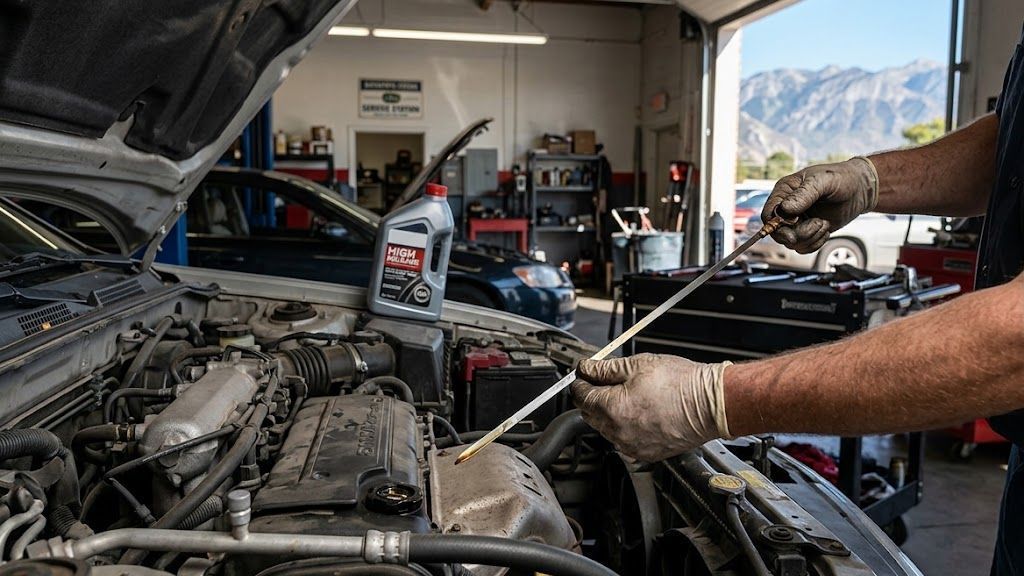
- Verify engine oil levels before every outing: Small displacement generator engines hold very small oil capacities, meaning even minor consumption can trigger the automatic low-oil shutdown sensor.
- Check battery terminal connections regularly: Clean away green corrosion and verify tight terminal torque to ensure sufficient cranking amperage reaches the generator starter motor.
Practicing these straightforward preventative habits extends the operating lifespan of gasoline and LP-gas generators past two thousand operating hours without requiring major rebuilds. Consistent maintenance also protects your investment value and ensures reliable power whenever you travel off the electrical grid.
Frequently Asked Questions
Can a mobile mechanic replace an RV generator carburetor on-site?
Yes, replacing or rebuilding a carburetor is one of the most frequent mobile services performed on recreational vehicles. Mobile technicians carry common OEM carburetors, replacement intake gaskets, inline fuel filters, and cleaner kits to complete the entire fuel system restoration in your driveway within two hours.
Why does my RV generator shut down after running for ten minutes?
A generator shutting off after ten minutes typically indicates an overheating condition, low oil level triggering a safety sensor, a clogged carburetor jet causing fuel starvation under thermal expansion, or an unadjusted high-altitude mixture control dial. Technicians can quickly measure operating temperatures and oil pressure switches to pinpoint the exact shutdown trigger.
How much does it cost to diagnose an RV generator in Salt Lake City?
A professional diagnostic check in the Salt Lake metro area typically ranges from one hundred to one hundred seventy-five dollars for the mobile dispatch fee, plus standard diagnostic labor. This comprehensive check covers spark generation, fuel pump pressure delivery, cylinder compression, and AC output voltage stability.
How often should an RV generator have its oil changed?
Most major manufacturers, including Cummins Onan, recommend changing the engine oil and filter every one hundred to one hundred fifty operating hours, or at least once per season. If you frequently camp in dusty desert environments or high-heat summer conditions, oil change intervals should be shortened to every fifty to seventy-five operating hours.
Is it worth rebuilding an older RV generator?
Rebuilding is generally cost-effective if the core engine block, rotor, and stator windings remain in good physical condition. However, if an older unit with high operating hours suffers combined stator failure and internal engine block scoring, replacing the entire generator assembly with a modern, fuel-efficient inverter model is often the more economical long-term investment.
Conclusion
Deciding between on-site field assistance and stationary repair bays depends on the severity of your auxiliary power malfunction and how quickly you need your camper road-ready. For common fuel delivery clogs, electrical regulator failures, and seasonal tune-ups, professional RV generator repair services in Salt Lake City provide unmatched convenience by resolving your issues on-site without unnecessary towing expenses or prolonged dealership delays.
When planning your next expedition across the Wasatch Range or heading south toward the red rock canyons, reliable auxiliary power is essential for comfort and safety. To ensure your electrical generation systems operate at peak efficiency under heavy mountain loads,
schedule an appointment with The Wizard Group today to have certified technicians inspect, service, or repair your equipment with complete confidence.