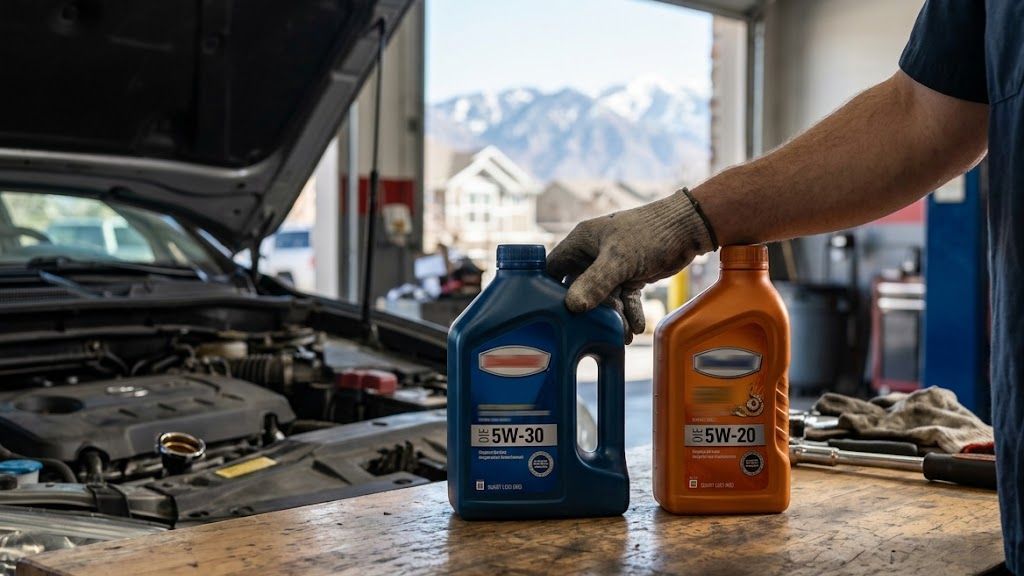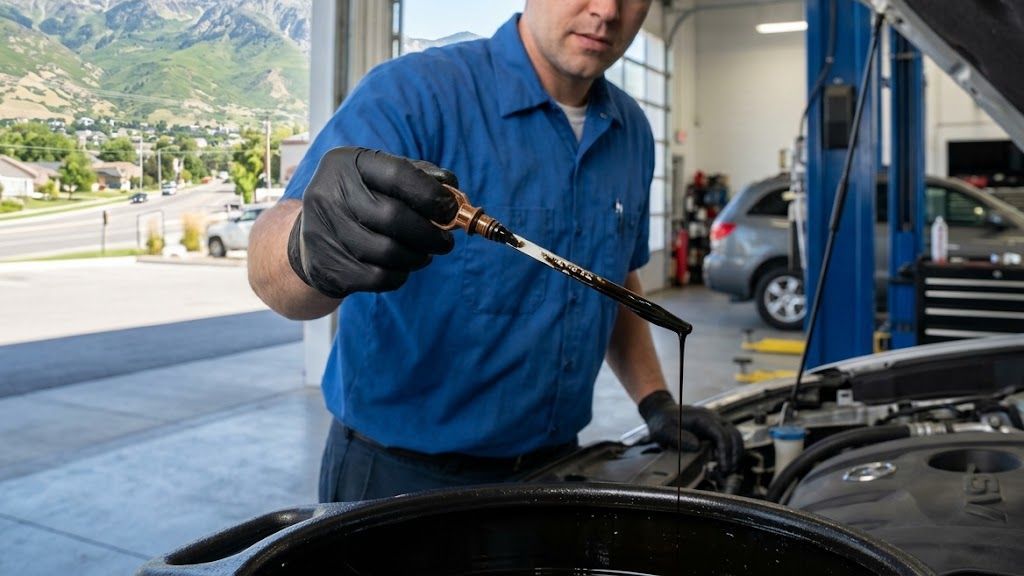
Does High Elevation in the Salt Lake Mountains Damage Propane or Gas RV Generators?
Thin air by itself does not damage a generator, but the way an unadjusted engine responds to thin air absolutely can. Above roughly 5,000 feet, a generator tuned for lower elevations begins burning fuel incorrectly, and the byproducts of that imperfect combustion are what wear the engine over time. Propane and gasoline units fail in noticeably different ways up here, which is why RV generator repair services in Salt Lake City ask which fuel you run before diagnosing anything else.
The distinction matters for anyone camping the Wasatch and Uinta ranges. Salt Lake City sits near 4,300 feet before you climb anywhere, and popular routes like Guardsman Pass and the Mirror Lake Highway carry you well past 9,000 feet. Your generator experiences that climb as a steady reduction in available oxygen.
Can High Altitude Actually Damage a Generator?
Altitude does not cause direct mechanical harm, but it creates conditions that lead to wear if left uncorrected. The engine loses roughly three percent of its rated output for every 1,000 feet of elevation gain, so a unit producing 4,000 watts at sea level delivers closer to 2,800 watts at 10,000 feet. That power loss is normal physics rather than a defect.
The damage risk comes from two directions. An engine left unadjusted runs too rich and accumulates carbon, while an engine adjusted too aggressively runs too hot. Both paths shorten the life of a generator that would otherwise run for years without complaint.
What Thin Air Does Inside the Engine
A carburetor meters fuel based on airflow, and its jets are sized for the air density the manufacturer expected. When you climb, the air thins but the fuel opening stays exactly the same size, so the mixture shifts toward fuel-heavy. This is the opposite of what many owners assume.
| Elevation | Approximate Power Available | What the Engine Experiences |
|---|---|---|
| Sea level | 100 percent of rating | Mixture as the manufacturer intended |
| 4,300 feet, Salt Lake Valley | Roughly 87 percent | Noticeably rich without adjustment |
| 7,000 feet, mountain campgrounds | Roughly 79 percent | Carbon buildup accelerates |
| 9,000 feet, high passes | Roughly 73 percent | Hard starting and rough idle common |
| 10,700 feet, Bald Mountain Pass | Roughly 68 percent | Fouling likely without a high altitude kit |
Running rich is generally the safer of the two failure directions in the short term. It fouls spark plugs, leaves carbon on valves and piston crowns, and can dilute engine oil with unburned fuel. None of that destroys an engine quickly, but all of it compounds across seasons of mountain camping.
When to Involve RV Generator Repair Services in Salt Lake City
Altitude adjustment is one of the few jobs where local experience genuinely changes the outcome, and RV generator repair services in Salt Lake City handle these corrections constantly because every customer lives above 4,000 feet. A technician who works at this elevation daily knows which units tolerate the valley without modification and which need a high altitude kit before they will run cleanly. That judgment is difficult to get from a shop at a lower elevation.
The correction itself is usually modest work. Most manufacturers offer a high altitude kit containing a smaller main jet, and installation typically takes about an hour on an accessible unit. The expensive scenario is skipping the adjustment for several seasons and then paying for valve and piston cleanup.
How Propane Generators Behave in the Mountains
Propane brings real advantages at elevation along with one problem that catches owners off guard. Understanding both helps you decide whether propane suits your travel pattern.
The Freezing Regulator Problem
Propane must convert from liquid to vapor inside the tank before it can reach the engine, and that conversion absorbs heat from the surrounding fuel. Under heavy demand the tank and regulator drop far below the outside air temperature, and moisture in the air condenses and freezes on the regulator body. Owners often see frost forming on a tank while standing in mild weather, which is normal physics rather than a malfunction.
The reason propane generator regulator freeze at altitude gets noticed more often is that mountain conditions stack the odds against you. Cold ambient temperatures, high electrical demand from heaters, and lower atmospheric pressure all increase the vaporization workload at the same time. When ice restricts the regulator, fuel delivery drops and the engine starves.
Why Tank Level Matters More Than Owners Expect
Vaporization happens along the wetted surface where liquid propane touches the tank wall. A nearly empty tank has very little wetted surface remaining, so it cannot vaporize fuel fast enough to feed a generator under load. Keeping tanks above roughly one quarter full is the simplest defense against fuel starvation that looks exactly like a failing generator.
The Advantages Propane Holds
Propane resists the fuel-related failures that plague gasoline units. It carries an octane rating well above pump gasoline, which makes it resistant to the uncontrolled combustion that damages pistons. It also leaves no varnish, gums nothing during storage, and keeps carburetors clean indefinitely.
How Gasoline Generators Behave in the Mountains
Gasoline units make more power than the same generator running propane, typically by around ten percent, but they carry more maintenance exposure at elevation.The body content of your post goes here. To edit this text, click on it and delete this default text and start typing your own or paste your own from a different source.
Carbon, Fouling, and Fuel Dilution
An unadjusted gasoline engine at 9,000 feet delivers substantially more fuel than the available oxygen can burn. The leftover fuel fouls spark plugs, coats the combustion chamber in carbon, and washes past the rings into the oil. Owners notice black exhaust, a strong fuel smell, and hard starting long before any component actually fails.
The Risk of Over-Correcting
Here is where well-intentioned owners create real damage. Installing a jet that is too small, or leaning the mixture screw too far, produces the opposite condition and a far more destructive one. Lean air fuel mixture engine damage shows up as burned exhaust valves and scored pistons, because a fuel-starved charge burns hotter and removes the cooling effect that fuel provides.
The danger is that lean running feels good at first. The engine sounds crisp and responds well, which encourages further adjustment. By the time symptoms appear, valve faces are already damaged, and technicians at The Wizard Group see this pattern regularly on units that owners adjusted by ear rather than by specification.
Fuel Quality and Storage Between Trips
Gasoline degrades in months rather than years, and ethanol blends attract moisture that corrodes carburetor passages. A unit stored over winter with untreated fuel frequently refuses to run the following season regardless of elevation. Stabilizer added before storage prevents most of these failures.
Propane Versus Gasoline at Elevation
Neither fuel is universally better, and the right choice depends on how and where you camp. This comparison covers the factors that matter most above 5,000 feet.
| Consideration | Propane | Gasoline |
|---|---|---|
| Power output | Roughly 10 percent lower to begin with | Higher baseline output |
| Altitude adjustment | Still requires a high altitude kit | Requires a high altitude kit |
| Cold weather issue | Regulator icing under heavy demand | Generally unaffected by cold |
| Storage behavior | Indefinite, leaves no residue | Degrades within months without stabilizer |
| Detonation resistance | High octane resists uncontrolled burning | Lower resistance under lean conditions |
| Carbon accumulation | Burns notably cleaner | Builds carbon when running rich |
| Fuel availability | Refills required at supply points | Widely available on any route |
One point surprises owners of dual fuel generators. Switching to propane does not remove the need for altitude adjustment, since thin air affects both fuels equally. The high altitude kit remains necessary either way.
Warning Signs Worth Acting On
Certain symptoms indicate that altitude effects have moved past inconvenience and into genuine wear. Catching them early keeps a tune-up from becoming an overhaul.
- Black sooty exhaust with a strong fuel odor indicates a mixture far richer than the engine can burn cleanly.
- Spark plugs fouling within a single season confirms unburned fuel is reaching the combustion chamber consistently.
- Frost visible on the propane regulator during operation signals vaporization struggling to keep pace with demand.
- A sharp metallic rattle under load suggests uncontrolled combustion and warrants shutting down immediately.
- Oil level rising between changes means fuel is diluting the oil and reducing its ability to protect bearings.
- Exhaust noticeably hotter or louder than usual can accompany an over-lean condition that damages valves.
A metallic rattling sound under load deserves particular respect because it rarely resolves on its own. If you hear it while climbing toward a mountain campground, reduce the electrical load and let the unit cool, then contact us to have the mixture checked before the next trip.
Protecting a Generator That Lives at Elevation
Generators kept in the Salt Lake area operate above 4,000 feet permanently, not just during trips. That makes altitude adjustment a baseline requirement rather than a seasonal accommodation.
- Install the manufacturer's high altitude kit if your unit spends its life above roughly 5,000 feet, using the jet specified for your model rather than a generic part.
- Reduce your expectations of output and plan around the derated wattage, since running an already weakened generator at full capacity accelerates every form of wear.
- Keep propane tanks above a quarter full so vaporization capacity stays ahead of demand in cold conditions.
- Inspect spark plugs at every service and read their color, because plug appearance reveals mixture problems before performance does.
- Never adjust the mixture by ear, since the audible sweet spot sits dangerously close to the lean condition that burns valves.
- Exercise the unit under load monthly, which keeps carbon deposits from hardening and confirms the generator will start when you need it.
Owners who follow these steps rarely see altitude-related failures at all. The Wizard Group recommends a jet check whenever a generator changes elevation home base, because a unit purchased in a low-lying state arrives in Utah already mismatched to the air it now breathes.
Frequently Asked Questions
Do I need a high altitude kit for my RV generator in Utah?
Most manufacturers recommend one above roughly 5,000 feet, and much of Utah camping sits well beyond that. Since Salt Lake City itself sits near 4,300 feet, generators based here spend their entire lives close to the threshold. Check your operator manual for the specific elevation your model calls out.
Does propane damage a generator more than gasoline?
No, propane is generally gentler on the engine because it burns cleaner and leaves no varnish or gum deposits. Its main drawback at elevation is regulator icing under heavy demand in cold weather, which interrupts fuel delivery rather than damaging components. Gasoline creates more long-term deposit problems.
Why does my generator lose power as I climb into the mountains?
Less oxygen is available in thinner air, so the engine produces proportionally less power regardless of its condition. The commonly cited figure is around three percent loss per 1,000 feet of elevation. A generator performing at seventy percent of its rating at 10,000 feet is behaving normally.
Can I run my generator at altitude without adjusting anything?
You can, and it will usually run, but it will run rich and accumulate carbon and fouled plugs over time. Occasional mountain trips cause little harm, while a generator permanently based at elevation benefits substantially from proper jetting. The adjustment costs far less than cleaning up years of deposits.
Why is frost forming on my propane tank in warm weather?
Converting liquid propane to vapor absorbs heat from the tank, cooling it below the surrounding air temperature until moisture condenses and freezes on the surface. This is expected behavior under heavy demand rather than a fault. Heavy frost accompanied by falling performance suggests the tank is too low to vaporize fuel fast enough.
Conclusion
Elevation is not the enemy, and neither propane nor gasoline is inherently fragile in the mountains. The wear comes from running an engine tuned for air that no longer exists around it, whether that means carbon from an unadjusted rich mixture or burned valves from over-correction. Owners who address jetting early tend to avoid the repairs that bring people to RV generator repair services in Salt Lake City in the first place.
Propane rewards you with clean operation and asks that you watch tank levels in the cold, while gasoline gives you more power and asks for more attention to fuel quality and deposits. Both perform reliably at 9,000 feet when set up correctly. To have your unit jetted for the elevation it actually lives at, schedule an appointment with The Wizard Group and let a technician match the setup to Utah conditions.