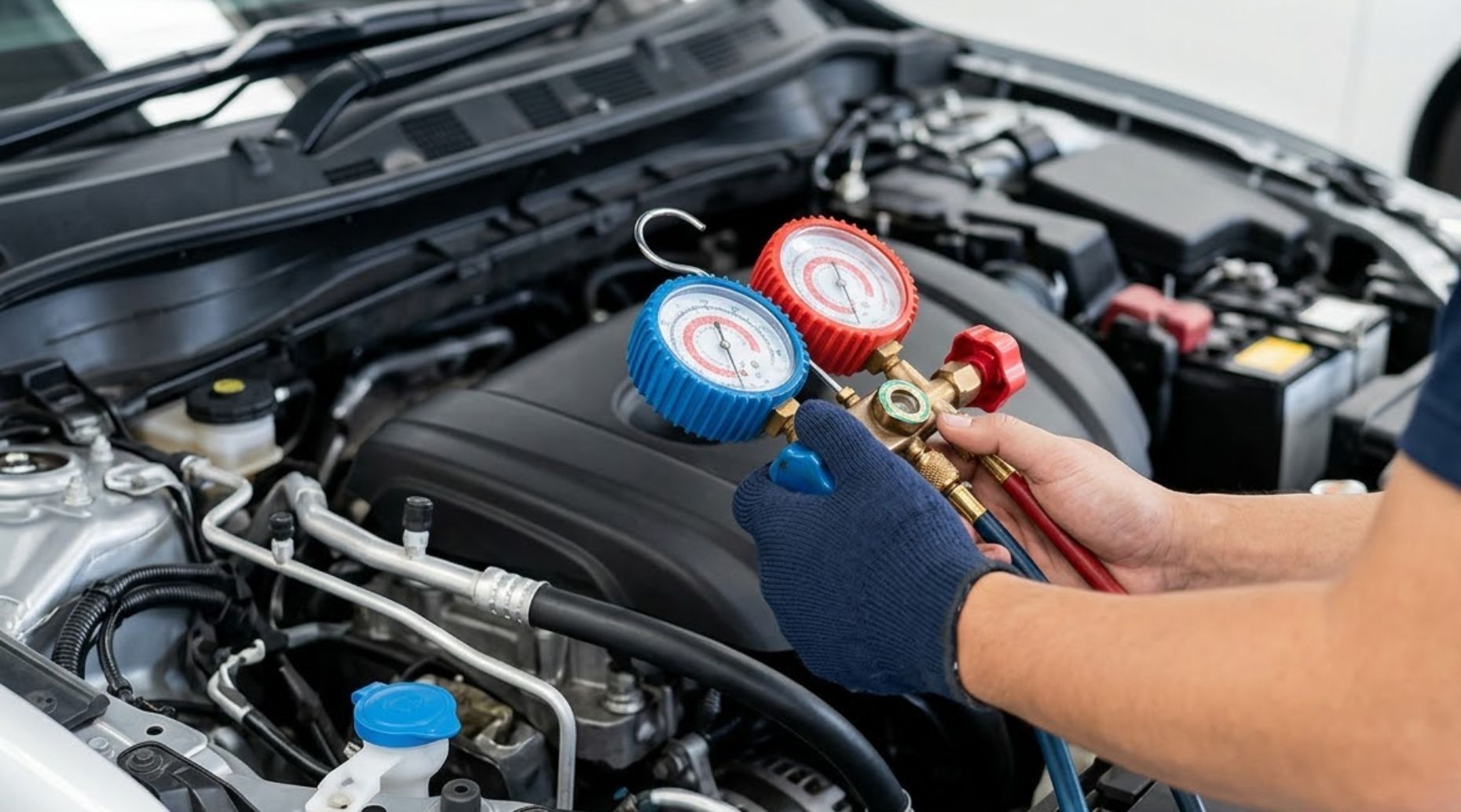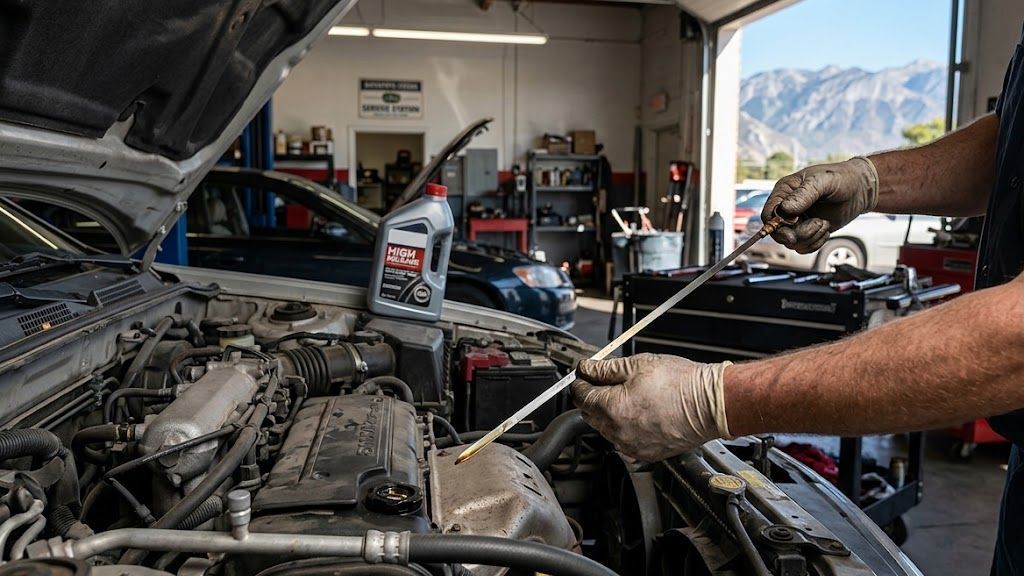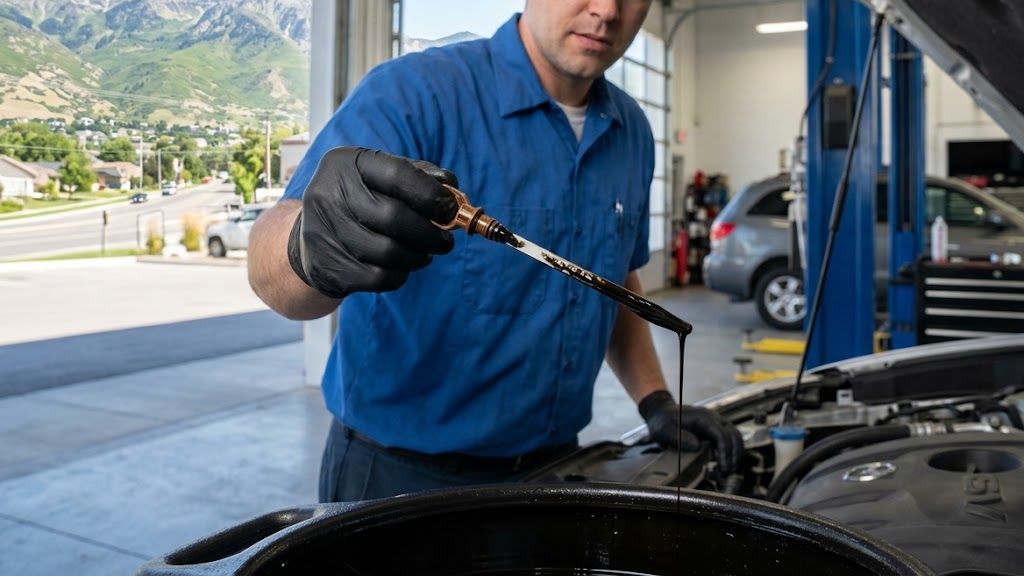
An engine diagnostic is a scan of your vehicle's onboard computer that reads the trouble codes stored when the system detects a fault, followed by hands-on testing to confirm what is actually causing them. The scan itself takes 15 to 30 minutes on most vehicles. A code tells a technician where to look, not what to replace, which is why the read is always followed by physical testing before any repair is quoted.
At Wizard's Automotive & RV in Bountiful, UT, serving the greater Salt Lake City area, we run diagnostics on cars, trucks, diesel platforms and RVs.
What Are Engine Diagnostics?
Every vehicle built since 1996 carries an onboard diagnostics system, known as OBD-II. Dozens of sensors monitor fuel delivery, ignition timing, emissions, coolant temperature and air intake. When a reading falls outside its expected range, the computer stores a diagnostic trouble code and, in most cases, turns on the check engine light.
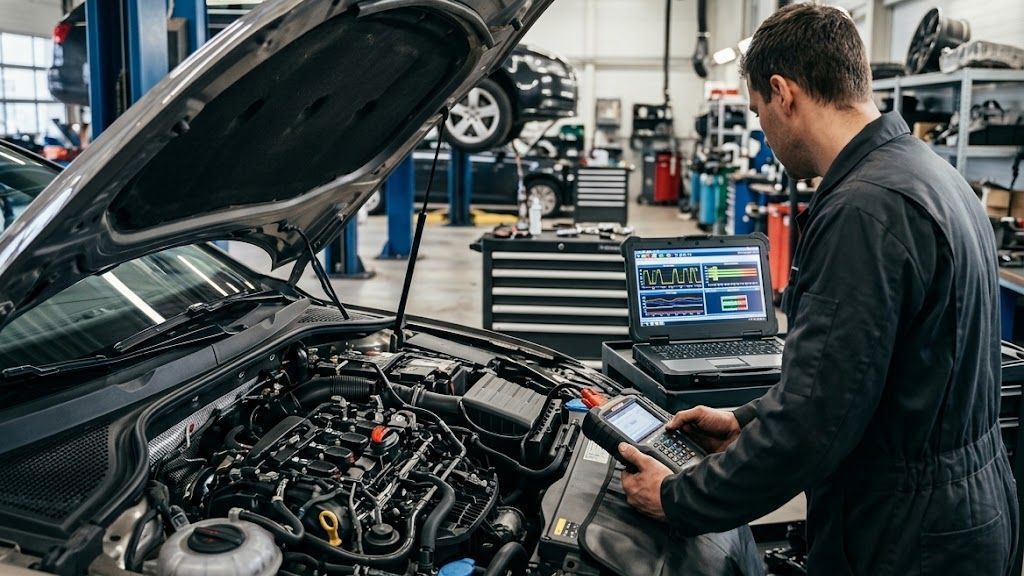
An engine diagnostic retrieves those codes and interprets them. Modern scanners also read live sensor data while the engine runs, which shows how components behave under load rather than just at idle. That combination is what separates a proper diagnostic from a parts-counter code read.
What Happens During an Engine Diagnostic Test
The process follows the same four steps on nearly every vehicle.
- Scanner connection: The diagnostic tool connects to the OBD-II port, usually located under the dashboard on the driver's side.
- Code retrieval: We pull both stored codes and pending codes. Pending codes are faults the system has detected once but not yet confirmed, and they often point to a problem developing before the light comes on.
- Live data review: With the engine running, we watch real-time readings from the oxygen sensors, fuel trims, mass airflow sensor and coolant temperature sensor. A code for a lean condition, for example, can come from a vacuum leak, a failing sensor or a fuel delivery issue. Live data narrows it down.
- Component testing: We test the suspect part directly before recommending replacement. This is the step most commonly skipped elsewhere, and it is the reason people end up paying for parts that were never faulty.
You leave with the code list, the confirmed cause, and a repair recommendation with a quote. If the fault turns out to be mechanical rather than electronic, we move to engine repair from there.
Understanding Diagnostic Trouble Codes
Trouble codes follow a standard format. The letter identifies the system (P for powertrain, B for body, C for chassis, U for network), and the digits identify the specific fault. A few of the codes we see most often:
- P0300, random or multiple cylinder misfire: Commonly ignition coils, spark plugs or fuel injectors, though it can also signal a vacuum leak or low compression.
- P0420, catalyst system efficiency below threshold: Often blamed on the catalytic converter, but a failing downstream oxygen sensor or an exhaust leak produces the same code. Worth testing before committing to a converter.
- P0171, system too lean: The engine is getting more air than the fuel mixture accounts for. Usually a vacuum leak, a dirty mass airflow sensor or a weak fuel pump.
- P0128, coolant thermostat below regulating temperature: Typically a stuck-open thermostat. Left alone it costs fuel economy and can trigger further codes.
The same code can have several causes. That is the whole reason the diagnostic includes testing rather than ending at the printout.
Check Engine Light On? What It Means and What to Do Next
How you respond depends on how the light behaves.
- Steady light: The system has logged a confirmed fault. The vehicle is generally safe to drive in the short term, but book a diagnostic within the week. Small faults become expensive ones when they are left running.
- Flashing light: Stop driving as soon as it is safe to pull over. A flashing check engine light almost always indicates an active misfire, which sends raw fuel into the exhaust and can destroy the catalytic converter in a short drive.
- Light with any change in how the vehicle drives: Rough idle, loss of power, hesitation on acceleration or a temperature gauge climbing means immediate attention, regardless of whether the light is steady or flashing.
One thing worth checking first: a loose or cracked fuel cap triggers the light on many vehicles. Tighten it, drive for a day or two, and see whether the light clears on its own before booking anything.
Drivers across Salt Lake City, South Salt Lake, Bountiful and the surrounding Davis County communities bring us vehicles with the light on every week, and a significant share turn out to be single-sensor faults that cost far less than people expect.
When Should You Book an Engine Diagnostic?
Beyond the warning light, these are the symptoms worth acting on:
- Unusual noises: Knocking, ticking or a change in exhaust note.
- Drop in fuel economy: A sudden decline usually traces to a sensor feeding the computer bad data.
- Rough idle or stalling: Particularly noticeable at stoplights or in cold starts, which matter along the Wasatch Front in winter.
- Hesitation or loss of power: Especially under load, on grades, or when towing.
- Hard starting: Extended cranking before the engine catches.
- Failed emissions test: A diagnostic identifies exactly what needs correcting before you retest.
Electrical faults produce many of the same symptoms as engine faults, so if the diagnostic points that direction we move to auto electrical repair.
Engine Diagnostics for Cars, Trucks and RVs
Cars and light trucks: Standard OBD-II diagnostics covering domestic, import and luxury vehicles. Luxury and European platforms often require manufacturer-specific scan tools to reach the modules that generic scanners cannot see, and we have that coverage.
Diesel trucks: Diesel engines add turbo, EGR, DPF and fuel system codes that a general scanner handles poorly. We work on all three major platforms: Duramax, Cummins and Powerstroke, with full diesel repair available once the fault is identified.
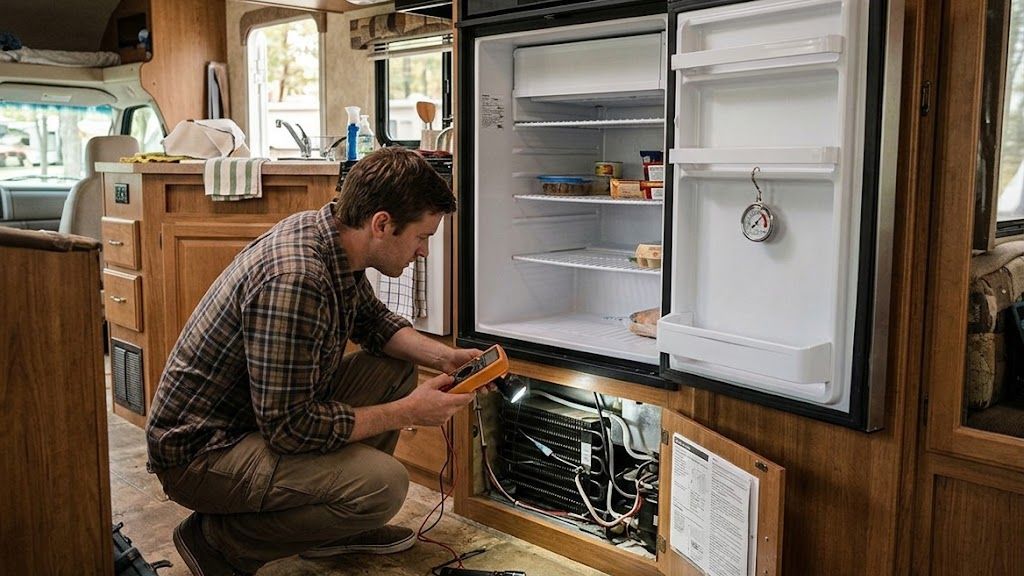
RVs and motorhomes: An RV carries a chassis engine plus a coach electrical system, generator and appliances, and a fault in one can present as a fault in another. Our RV repair team diagnoses both sides rather than treating them separately.
Mobile and On-Site Diagnostics Across Utah
Not every vehicle can be driven in. We run on-site diagnostics for fleets, RVs parked at storage or campgrounds, and vehicles that will not start.
On site we can pull and interpret codes, review live data, test batteries, alternators and starters, and handle sensor replacements and most electrical faults. Work requiring a lift, internal engine access or specialized equipment comes into the Bountiful shop. In most cases the on-site visit tells you which of the two you are dealing with, which is the information you need before deciding anything else.
Areas We Serve
We serve drivers throughout northern and central Utah, including Bountiful, Davis County and:
Frequently Asked Questions
What is an engine diagnostic?
An engine diagnostic is a scan of your vehicle's onboard computer that retrieves stored trouble codes, combined with live data review and component testing to confirm the underlying cause. It identifies faults in the engine, emissions, fuel and electrical systems.
What does an engine diagnostic test check?
The scan covers engine performance, fuel delivery, ignition, emissions controls, transmission inputs and sensor health. On diesel and RV platforms it also reads turbo, EGR, DPF and coach system modules.
How long does an engine diagnostic take?
The scan itself takes 15 to 30 minutes. Confirming the cause takes longer when the code has several possible sources, such as an intermittent misfire or a lean condition, since those require live testing rather than a code read alone.
What does a diagnostic trouble code mean?
A trouble code identifies the system and circuit reporting a fault, not the failed part. P0171 says the engine is running lean; it does not say whether that is a vacuum leak, a dirty sensor or a fuel supply problem. Testing determines which.
Does a check engine light always mean a serious problem?
No. A steady light can be something as minor as a loose fuel cap. A flashing light is different and indicates an active misfire that can damage the catalytic converter, so pull over and stop driving.
Book an Engine Diagnostic
Wizard's Automotive & RV has served Bountiful and the greater Salt Lake City area with diagnostics, engine work and RV service backed by a clear explanation of what we found and why we recommend it. If your check engine light is on or something has changed in how the vehicle drives, book a diagnostic appointment or call (801) 994-6826.