Does Overheating One Time Permanently Damage an RV Engine?
Your temperature gauge spiked on a Utah grade, you pulled over fast, and now you are sitting at a rest area wondering whether you just destroyed a very expensive engine. Here is the honest answer: not necessarily, and the outcome depends almost entirely on how hot it got and how quickly you stopped. A brief spike caught early often leaves no lasting harm at all, while ten more minutes of driving can mean a warped cylinder head. Utah road trip camper overheating produces both outcomes regularly, and the difference is usually the driver's reaction time rather than luck.
The frustrating part is that damage is not always obvious right away. An engine can seem completely normal for weeks after an overheat and then start showing symptoms as degraded seals and gaskets finally give way. This guide explains what actually happens inside the engine as temperatures climb, which symptoms to watch for afterward, how a shop confirms whether real damage occurred, and what the repairs realistically cost.
How Long Can You Drive an Overheating Engine Before Damage Occurs?
Far less time than most people assume. Serious damage can begin within 30 to 60 seconds of a genuine overheat, which is why stopping immediately matters more than any other decision you make. The moment you notice the needle in the red, your goal is to reduce load and pull over safely rather than to reach the next exit.
Temperature is what determines severity. Most engines run normally between 195 and 220 degrees Fahrenheit, and readings above roughly 240 degrees put you into the range where real harm starts. The further past that line you go and the longer you stay there, the more likely the damage becomes permanent rather than recoverable.
Duration compounds the problem. A thirty second spike that you caught and stopped is a very different event from twenty minutes of climbing a grade with the gauge pinned. Many engines survive the first scenario with nothing worse than a scare, while the second frequently ends in a head gasket replacement or worse.
What Actually Breaks Inside an Overheating Engine?
Heat damages an engine in a fairly predictable order, and knowing that order helps you understand what your mechanic is looking for. Different materials expand at different rates, and that mismatch is what tears things apart. The progression below moves roughly from least to most expensive.
Seals and Gaskets Harden First
Rubber components are the most heat sensitive parts in the engine bay. An overheat cooks valve stem seals, O-rings, and coolant seals, leaving them hard and brittle rather than flexible. This is the most common source of delayed symptoms, because a seal that survived the event can fail weeks later and produce a leak that seems to come from nowhere.
The Head Gasket Fails Next
The head gasket sits between the cylinder head and the engine block and seals combustion pressure, coolant, and oil passages from one another. Extreme heat makes the metal on either side expand unevenly, and the gasket is what gives way. Once it fails, coolant can enter the combustion chamber or mix with the oil, and both are serious.
The Cylinder Head Warps
Aluminum cylinder heads expand more than the iron blocks many are bolted to, and severe heat can leave the head physically distorted. A warped cylinder head no longer seals flat against the block, which means a new gasket alone will not fix the problem. The head has to be machined flat again, or replaced entirely if the distortion is too great.
The Block Cracks Last
This is the outcome nobody wants and it usually follows sustained, extreme overheating. A cracked block generally means engine replacement rather than repair. It is uncommon in cases where the driver stopped promptly, which is precisely why the advice to pull over immediately carries so much weight.
| Overheat Severity | What Likely Happened | Typical Outcome |
|---|---|---|
| Brief spike, stopped within seconds | Coolant near its limit, no structural change | Usually no lasting damage |
| Several minutes above 240 F | Seals hardening, gasket stressed | Watch for delayed leaks and symptoms |
| Extended driving while overheating | Head gasket failure, possible warping | Repair required, often significant |
| Driven until it stopped running | Warped head or cracked block likely | Major repair or engine replacement |
Warning Signs to Watch After Utah Road Trip Camper Overheating
The symptoms below are how an engine tells you the overheat left a mark, and they can appear immediately or weeks later. Travelers who experienced Utah road trip campers overheating on a mountain grade should keep an eye out for these for at least a month afterward, even if the rig seems to be running perfectly. Catching a small problem early is dramatically cheaper than discovering it after it has spread.
- Thick white smoke from the exhaust that persists after the engine is fully warm and carries a faintly sweet smell, which indicates coolant burning in the combustion chamber.
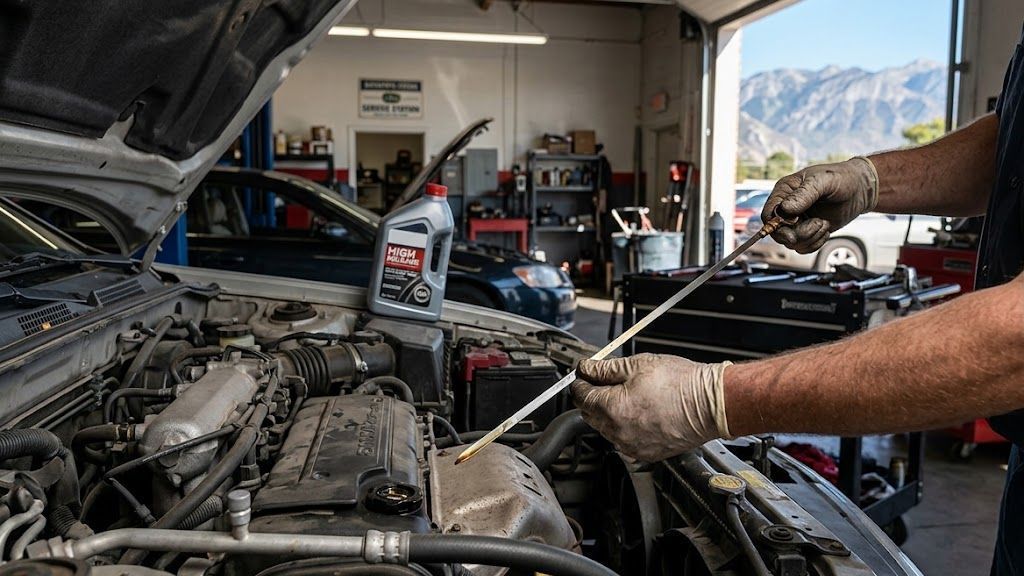
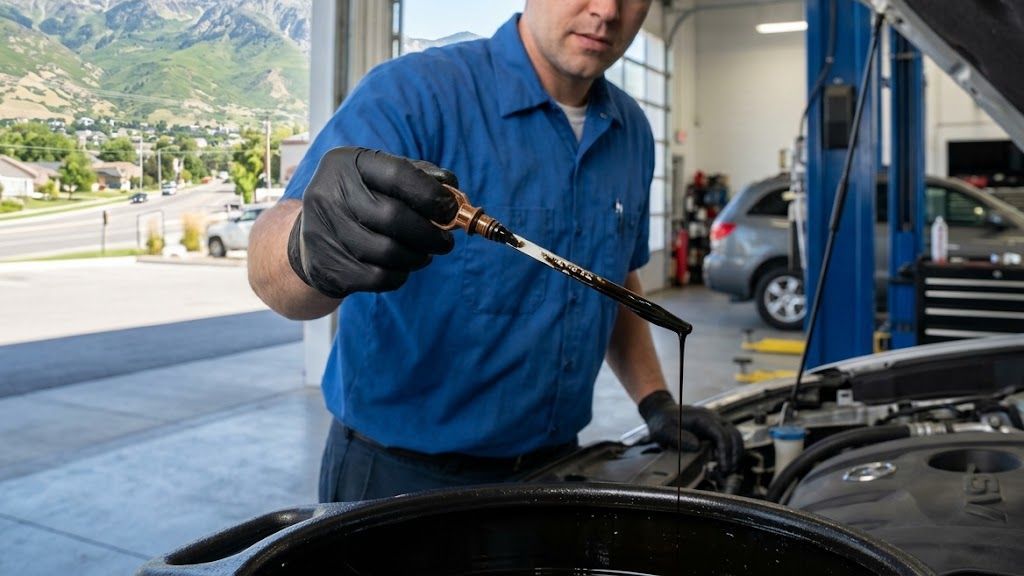
- Milky or frothy oil on the dipstick or under the oil cap, often described as looking like a chocolate milkshake, meaning coolant and oil have mixed.
- Coolant disappears with no visible puddle, which happens when coolant is being burned inside the engine rather than leaking onto the ground.
- Bubbles in the coolant reservoir while the engine runs, caused by combustion gases being forced into the cooling system.
- Overheating that returns easily on climbs that never used to cause trouble, suggesting reduced cooling efficiency.
- Rough idle or a noticeable loss of power, which can point to compression escaping between cylinders.
- New oil or coolant leaks appeared at seals that were dry before the event.
Any one of these deserves attention, but white smoke combined with milky oil is close to conclusive and warrants stopping until it is diagnosed. Continuing to drive with coolant in the oil destroys bearings quickly, because contaminated oil cannot lubricate properly. That turns a repairable problem into an engine replacement faster than most owners expect.
How Does a Shop Confirm Whether Real Damage Occurred?
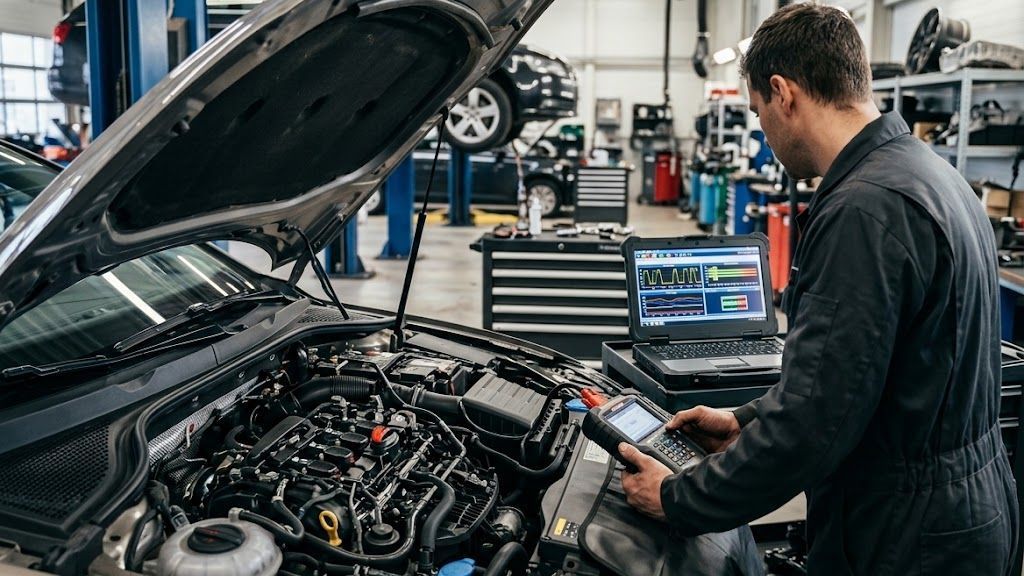
Diagnosis is worth paying for, because the symptoms of several different problems overlap almost completely. A proper diagnosis typically runs somewhere in the range of 100 to 250 dollars depending on how many tests are needed, and it is money well spent. Opening an engine on a guess and discovering the real fault was something else is far more costly.
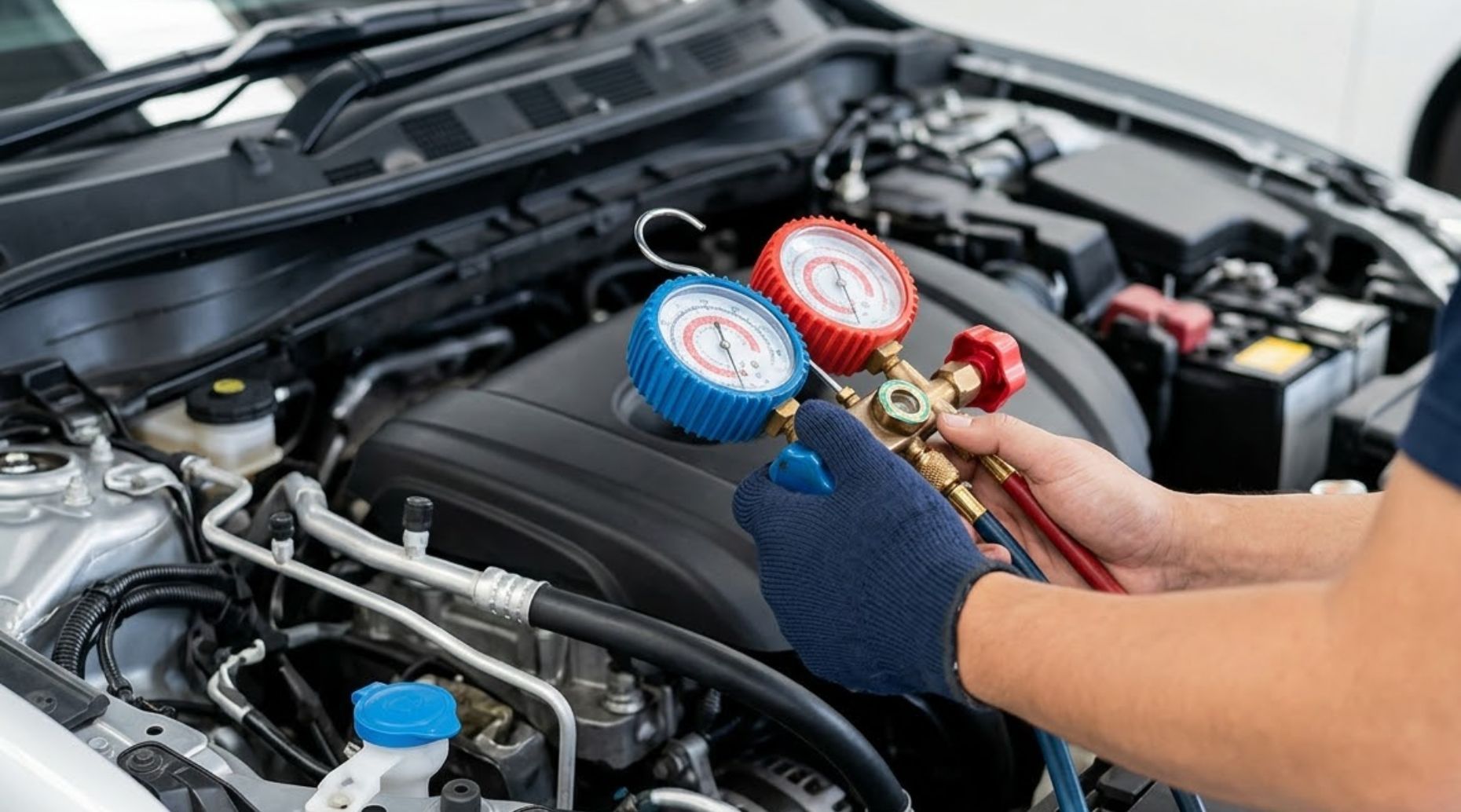
- A cooling system pressure test checks whether the system holds pressure and reveals leaks that only appear under load.
- A compression test measures whether each cylinder holds pressure, and low readings on adjacent cylinders often indicate a failed gasket between them.
- A leak down test pinpoints where pressure is escaping, whether into the cooling system, the crankcase, or an adjacent cylinder.
- A combustion gas test checks the coolant for exhaust gases, which is strong evidence of a breach between the combustion chamber and the cooling system.
- A visual inspection of the oil and coolant looks for the cross contamination that confirms internal mixing.
- A borescope inspection can view cylinder walls directly without disassembly when the other results are ambiguous.
These tests also distinguish between problems with very different price tags, which is the real value. A blown head gasket, a warped cylinder head, and a cracked block can produce nearly identical symptoms while differing by many thousands of dollars in repair cost. The technicians at
The Wizard Group run this sequence before quoting any engine work, because a quote built on assumption helps nobody.
What Do These Repairs Actually Cost?
Costs vary widely by engine and location, but knowing the general ranges helps you evaluate a quote. Most of the expense is labor rather than parts, since a head gasket itself is inexpensive while the work to reach it is not. The figures below reflect commonly reported ranges rather than a guaranteed price.
| Repair | Typical Cost Range | What Drives the Price |
|---|---|---|
| Diagnosis | $100 to $250 | Number of tests required |
| Head gasket replacement | $1,500 to $4,000 | 8 to 15 hours labor plus machine shop fees |
| Cylinder head resurfacing | $200 to $500 added | Machine shop work to restore a flat surface |
| Engine replacement | $6,000 and up | Required when the block is cracked or the head is beyond machining |
Notice how steeply the cost climbs from one row to the next, which is the entire argument for stopping immediately when a gauge spikes. The gap between a scare and a repair is often just a few minutes of continued driving. Travelers who want an engine evaluated after an overheating event can contact us to have the diagnostic sequence run before the problem has a chance to spread.
What Should You Do Immediately When It Happens?
Your actions in the first minute largely determine the outcome, so it helps to know the sequence before you need it. The goal is to reduce heat production and increase heat rejection while getting safely off the road. Work through these in order.
- Switch off the air conditioning immediately, which removes engine load and stops the condenser from preheating air reaching your radiator.
- Turn the cabin heater to maximum, because the heater core acts as a second radiator and genuinely pulls heat out of the engine.
- Reduce speed and find a safe place to pull over rather than pushing toward the next town or exit.
- Let the engine idle for a minute or two rather than shutting it off instantly, so coolant keeps circulating and temperatures fall in a controlled way.
- Shut down and wait at least 30 minutes before opening anything, and never open the radiator cap while the system is hot, since pressurized coolant will erupt.
- Check the coolant level once fully cool, and look underneath for obvious leaks or a shredded belt.
- Call for a tow if temperatures climb again quickly after restarting, because a tow is cheaper than an engine.
Resist the temptation to add cold water to a hot engine, since the sudden temperature change can crack a cylinder head or block outright. If you must add coolant, wait until the engine is genuinely cool and add it slowly. Patience at this stage prevents you from turning a recoverable situation into a catastrophic one.
Preventing a Second Event
An engine that has overheated once is more vulnerable than it was before, because the seals and gaskets already took heat stress even if nothing failed outright. Preventing a repeat matters more for this rig than it would for one with a clean history. Start by finding out what caused the first event.
- Identify the root cause rather than just topping off coolant, since a thermostat, water pump, fan clutch, or radiator restriction will simply cause it again.
- Rinse the radiator, condenser, and auxiliary coolers gently from the engine side outward, never with a pressure washer, which bends the aluminum fins.
- Pressure test the cooling system to catch slow leaks, and replace the radiator cap if it will not hold its rated pressure.
- Replace coolant that is old or discolored, because aged coolant loses the inhibitors that prevent scale from forming inside the radiator.
- Confirm the fan clutch engages by listening for the fan to roar during a hot idle.
- Change the oil after any significant overheat, since heat degrades oil and contaminated oil accelerates wear.
- Verify your loaded weight against the tow rating, because an over capacity pairing will keep producing more heat than the system can handle.
It is also reasonable to have a compression or leak down test done as a baseline even if the engine seems fine, giving you a record to compare against if symptoms appear later. The Wizard Group recommends that for any rig that experienced a serious overheat on a mountain grade, since a documented baseline turns a future guess into a straightforward comparison.
Frequently Asked Questions
Can an engine recover from overheating once?
Yes, in many cases. A brief overheat caught quickly and addressed properly often leaves no permanent damage, particularly if the driver stopped within seconds rather than continuing to drive. Recovery becomes far less likely as duration and peak temperature increase, and any overheat severe enough to stop the engine usually causes lasting harm.
How do I know if my head gasket is blown after overheating?
The clearest blown head gasket symptoms are thick white exhaust smoke that persists after warm up, milky oil on the dipstick, coolant vanishing with no visible leak, and bubbles in the coolant reservoir while running. Any combination of these warrants a compression test and a combustion gas test. A single symptom alone is suggestive rather than conclusive.
Is it safe to drive after my engine overheated and cooled down?
Only cautiously and only if temperatures stay normal, and even then you should have it inspected soon. If the gauge climbs again during a gentle drive, stop and arrange a tow, since repeated overheating cycles cause cumulative damage. Driving to a nearby shop is reasonable, while continuing a long trip is not.
How much does it cost to fix an engine damaged by overheating?
Diagnosis typically runs 100 to 250 dollars, a head gasket replacement commonly falls between roughly 1,500 and 4,000 dollars, and a full engine replacement starts around 6,000 dollars and climbs from there. Most of the cost is labor rather than parts. The wide range is exactly why a proper diagnosis before authorizing work matters so much.
Does overheating damage the transmission too?
It can, because on most tow vehicles the transmission cooler shares the same front cooling stack as the radiator. When the engine cooling system is compromised, transmission temperatures often rise alongside it, and transmission fluid begins degrading above roughly 200 degrees. Having the transmission fluid inspected after a serious overheat is a sensible precaution.
Conclusion
One overheating event does not automatically ruin an RV engine, and plenty of rigs go on to run for years afterward with no lasting consequences. What determines the outcome is how hot the engine got, how long it stayed there, and how quickly the driver stopped. Utah road trip camper overheating turns into permanent damage mostly when someone decides to push on to the next town instead of pulling over.
If it happens to you, stop immediately, let the engine cool properly, and have the cooling system diagnosed before continuing your trip. Watch for white smoke, milky oil, and disappearing coolant in the weeks that follow, since delayed symptoms are common and easy to dismiss. Handled promptly, a single spike is usually just an expensive scare rather than the end of your engine.