
What Is the Difference Between an AC Recharge and a Full AC Repair in Bountiful, UT?
Terry McAdoo • April 22, 2026
Knowing the difference between an AC recharge and a full AC repair helps you keep your vehicle's air conditioning reliable. An AC recharge replenishes refrigerant when levels are low. A full AC repair addresses component failures or major leaks that a recharge won’t fix. This guide explains when each service is appropriate, typical costs, and how to choose.
What Is an AC Recharge and When Is It Needed?
An AC recharge adds refrigerant to restore cooling when levels have dropped from leaks or gradual loss. Signs you may need a recharge include warm vent air, reduced airflow, or odd noises. Regular checks and timely recharges help preserve efficiency.
Research shows that refrigerant charge level, together with compressor and blower speeds and ambient conditions, plays a central role in overall AC performance and cooling capacity.
Automotive AC Performance: Impact of Refrigerant Charge
The performance of an automotive air conditioning system depends mainly on compressor speed, blower speed, refrigerant charge level and ambient conditions. The combined effect of these parameters can be non-intuitive. Reductions in compressor or blower speed reduce cooling capacity. Higher blower speed introduces more fresh air into the cabin, which increases the compression work needed to maintain comfort. The best performance occurs at an appropriate refrigerant charge level, which interacts with other operating conditions.
Effect of refrigerant charge, compressor speed and air flow through the evaporator on the performance of an automotive air conditioning system, SP Datta, 2014
What Are the Typical Costs of a Car AC Recharge in Bountiful, UT?
In Bountiful, UT, an AC recharge commonly costs about $120–$150. If leak detection is needed, expect an additional fee commonly between $100 and $140. These ranges help you plan routine maintenance.
| Service | Cost Range | Description |
|---|---|---|
| AC Recharge | $120 - $150 | Adding refrigerant to restore cooling efficiency. |
| Leak Detection | $100 - $140 | Identifying leaks in the AC system. |
| Full AC Repair | Varies widely | Comprehensive inspection and repair of AC components. |
The table shows typical local costs for recharges and related services to help you budget.
What Constitutes a Full AC Repair for Auto and RV Vehicles?
A full AC repair covers inspection and service of the compressor, condenser, evaporator, hoses, fittings and electrical components. It’s needed when issues go beyond low refrigerant—such as a failed compressor or a large leak—and helps prevent further damage.
Refrigerant leakage can do more than reduce comfort; it can degrade performance and shorten the life of other components.
Automotive AC Leakage: Fault Detection & Performance Impact
A refrigerant leak in an electric vehicle can reduce driving range and usability, affect the lifespan and health of the battery pack, degrade overall vehicle performance, and reduce passenger comfort and safety. Component longevity—including motor and power electronics—can suffer. As refrigerant leaks occur, cooling performance degrades and components become more likely to fail.
Performance Investigation of Air Conditioning System in Electric Vehicle by Fault Detection and Diagnosis, 2025
Which Signs Indicate You Need a Full AC Repair?
Common indicators of a repair (not just a recharge) include:
- Weak Airflow: Airflow too low may point to blower or duct problems.
- Warm Air Blowing: Warm air often signals a leak or compressor failure.
- Strange Noises: Hissing, grinding or other unusual sounds often mean mechanical faults.
Spotting these signs early reduces the risk of larger repairs.
Further studies examine mechanisms behind AC performance issues, such as how insufficient refrigerant flow at startup can harm evaporator performance.
Automotive AC: Refrigerant Flow Shortage & Evaporator Performance
A mathematical model used to analyse the dynamic characteristics of the refrigeration cycle shows that evaporator performance can deteriorate at initial startup. This deterioration can result from a shortage of refrigerant flow caused by the response delay of the thermostatic expansion valve.
Improvement of refrigerant flow control method in automotive air conditioners, 1987
What Are the Steps Involved in a Full AC Repair?
A typical full repair follows these core steps:
- Inspection: Visual check for leaks, damage and obvious faults.
- Diagnostics: Pressure tests and electronic diagnostics identify root causes.
- Repairs and Testing: Replace or repair faulty parts, then verify system operation.
These steps restore reliable cooling and help avoid repeat visits.
How to Decide Between an AC Recharge and a Full AC Repair?
Base the choice on symptoms and history. Minor issues (slightly reduced cooling or weak airflow) may be resolved with a recharge. Persistent warm air, loud noises, visible leaks, or repeated recharges suggest a full repair. Consider vehicle age and past maintenance when deciding.
For those in Bountiful, UT, Wizard's Automotive Repair & RV
offers both recharge and full repair services; technicians can recommend the appropriate option after inspection.
What Are the Key Differences Between AC Recharge and Repair Services?
The primary differences are scope, cost and time.
- Scope of Service: A recharge replenishes refrigerant; a full repair inspects and repairs system components.
- Cost: Recharges are generally cheaper; repairs can be significantly more expensive.
- Time Required: Recharges are quick; repairs may take hours or longer depending on parts and work.
Knowing these differences helps you pick the best service for your needs and budget.
Can Mobile On-Site AC Repair Services in Bountiful, UT Assist with Both?
Yes. Mobile technicians can perform recharges and many repairs on-site. This convenience suits customers who cannot bring vehicles into a shop.
What Are the Benefits of Choosing Professional Auto AC Services in Bountiful, UT?
Professional services give accurate diagnosis, correct repairs and longer-term reliability.
- Expertise: Certified technicians diagnose and repair AC issues correctly.
- Quality of Service: Proper repairs reduce the chance of recurring problems.
- Long-Term Vehicle Performance: Timely maintenance extends AC system life.
Why Choose Certified Technicians for Your AC Service?
Certified technicians use current diagnostics and proven repair methods to reduce follow-up issues and ensure safe handling of refrigerants.
How Does Transparent Pricing Improve Your Service Experience?
Transparent pricing builds trust by letting you compare options and avoiding surprise charges. That clarity helps you choose services that match needs and budget.
If you're experiencing AC issues, consider exploring auto ac repair in Bountiful UT
options to restore reliable performance.
Frequently Asked Questions
What are the common causes of AC system failure in vehicles?
Common causes include refrigerant leaks, compressor failure, electrical faults, or blockages in the condenser or evaporator. Regular inspections catch many issues early.
How often should I have my vehicle's AC system serviced?
Service the AC at least once a year, ideally before summer. If you notice weak airflow or strange noises, schedule service sooner.
Can I recharge my vehicle's AC system myself?
DIY recharge kits exist but are not recommended. Improper refrigerant handling is risky and may miss leaks or failing parts. A certified technician provides a safer, more reliable service.
What should I do if my AC system is blowing warm air?
Check refrigerant level first. If levels are adequate, have a professional diagnose the compressor, electrical system or potential blockages to determine the correct repair.
Are there any environmental concerns with AC refrigerants?
Yes. Some refrigerants have high environmental impact; the industry is moving to lower-impact options. Proper handling and certified technicians are required for safe disposal and compliance.
What are the signs that my AC system needs immediate attention?
Seek immediate service for persistent warm air, hissing or grinding noises, visible leaks, sudden airflow loss, or strong musty odors to avoid larger damage.
Conclusion
Understanding the difference between an AC recharge and a full AC repair helps you protect comfort and vehicle performance. Recognise the signs, consider costs and history, and choose the service that fits your situation. For expert help in Bountiful, UT, contact
a qualified provider to keep your vehicle cool and reliable.

RV fridge not cooling? Learn the top causes, from leveling and blocked vents to power issues, plus Dometic and Norcold fault codes and when to call a tech.

Heading into 2027, most auto AC repair jobs in Bountiful, UT cost $100 to $1,500. See prices by repair and make, what affects prices, and when to recharge.
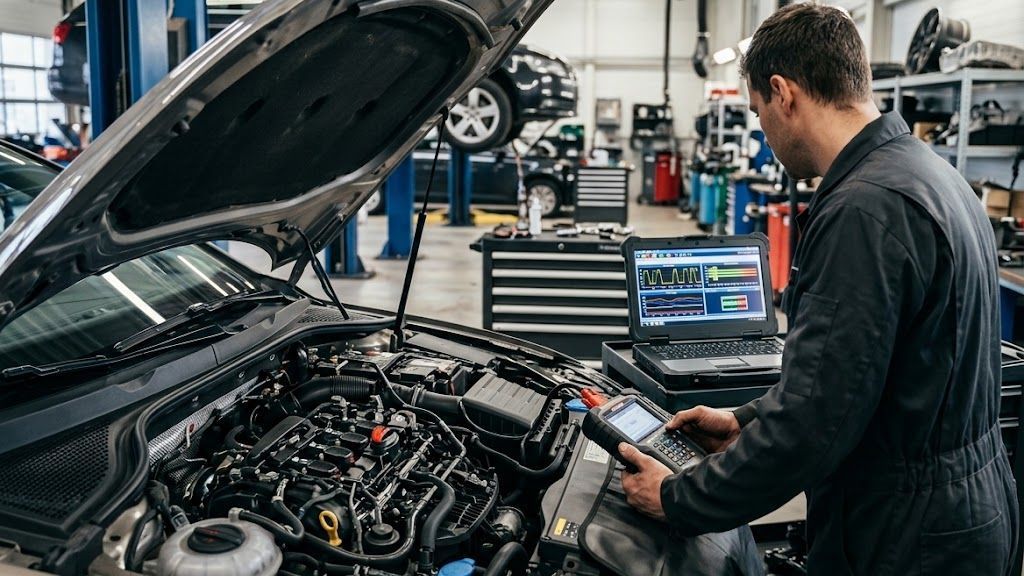
Discover expert engine diagnostics at Wizard's Automotive & RV in Salt Lake City. Experience precise solutions! Schedule an online appointment now.

Engine oil sludge: cold short trips and overdue service cause it. Light buildup clears with short-interval changes — heavy sludge needs mechanical cleaning.

Synthetic blend vs full synthetic in Bountiful, UT: per mile they cost about the same, blend prices rose in the oil shortage too, and none disclose makeup.

Bundling a tire rotation with an oil change in Bountiful, UT saves $5 to $30 and one trip, unless Costco or Discount Tire already rotate your set for free.
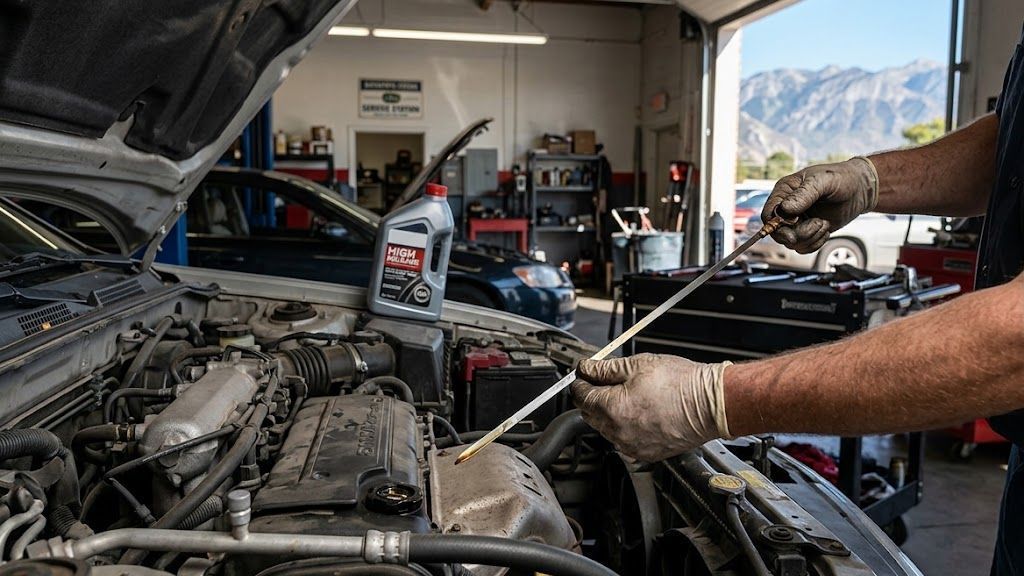
High-mileage oil helps leaking or burning engines with hardened seals — nothing changes at 100,000 miles. When it's worth it in Bountiful, UT, and when it's not.
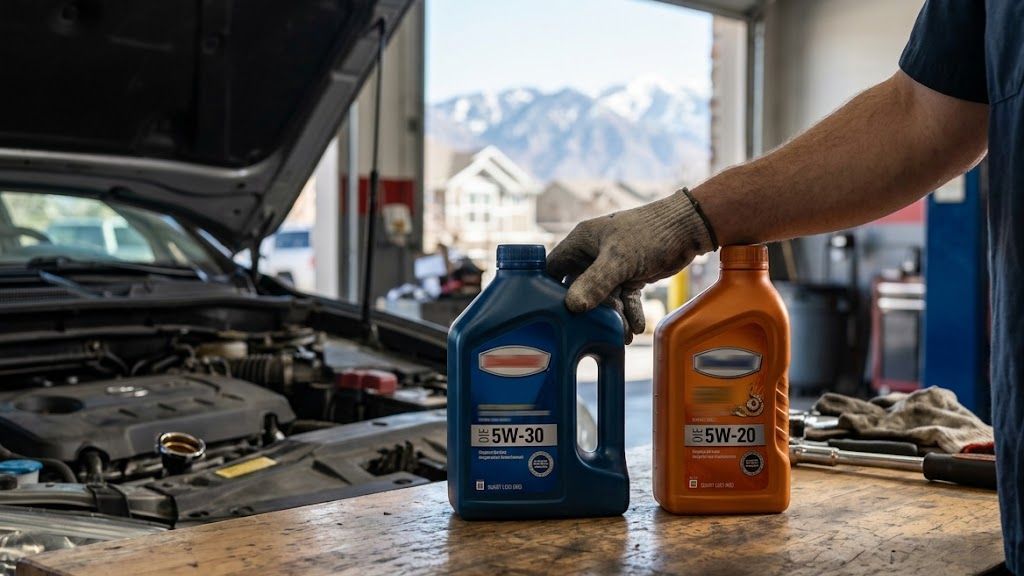
5W-30 or 5W-20 for your oil change in Bountiful, UT? Use only the grade on your oil cap and manual. Both flow the same in cold; only hot thickness differs.
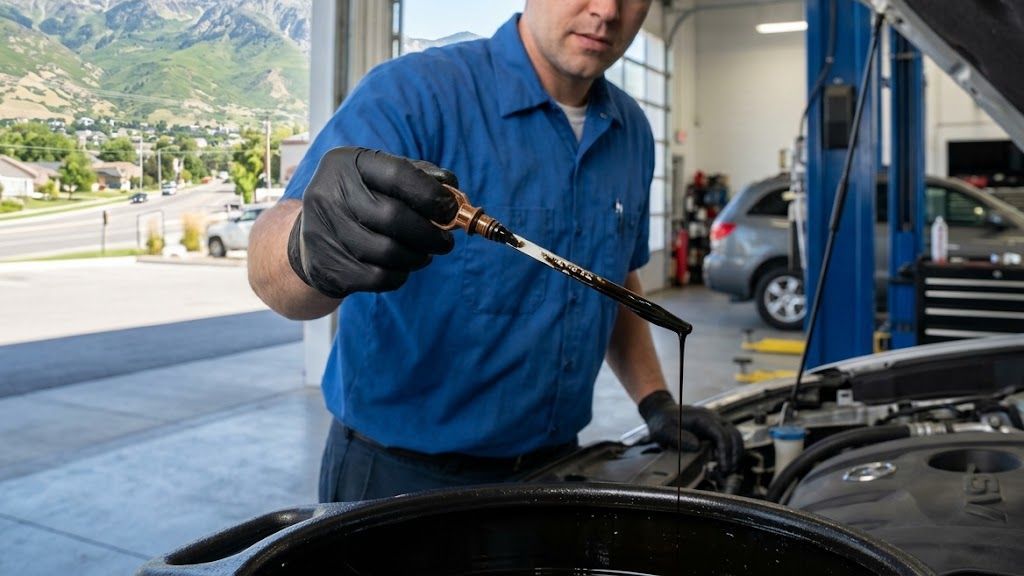
Is that oil warning urgent? The red pressure light means stop immediately — the amber reminder means book this week. Bountiful, UT oil change signs decoded.

Synthetic or conventional oil in Bountiful, UT? Most cars built after 2012 require synthetic. Check your manual's viscosity grade, then decide by how you drive.